Warning! Web API Url is not set for the Speaker Bios.
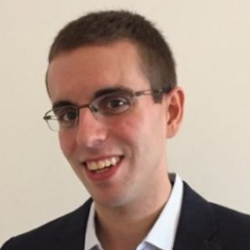 Viktor A. Adalsteinsson, PhD, Director, Gerstner Center for Cancer Diagnostics, Broad Institute of MIT and Harvard
Director
Broad InstituteViktor Adalsteinsson is Director of the Gerstner Center for Cancer Diagnostics at the Broad Institute of MIT and Harvard. He also leads the Blood Biopsy Team in the Broad’s cancer program, a multi-institutional collaboration to profile cancer genomes directly from blood samples. The Blood Biopsy Team includes scientists, engineers, oncologists, and computational biologists spanning numerous investigators and labs at the Broad Institute, MIT, Dana-Farber Cancer Institute, Massachusetts General Hospital, and beyond. The goal of their research is to identify mechanisms of response and resistance to therapy, enable routine monitoring of patients with cancer, and eventually provide a mechanism for early detection of cancer. Adalsteinsson joined the Broad Institute as a research affiliate during his doctoral studies at MIT and was subsequently tapped to lead the Blood Biopsy Team. He retains an affiliation with the Koch Institute for Integrative Cancer Research at MIT. Adalsteinsson holds a PhD in chemical engineering from MIT (laboratory of J. Christopher Love), where he developed novel approaches for functional and genomic profiling of single cells in cancer. In 2017, Adalsteinsson was honored by MIT Technology Review as a visionary member of its 35 Innovators Under 35, and in 2021, he was recognized as one of Clinical Omics’ “Pioneers Under 40.â€
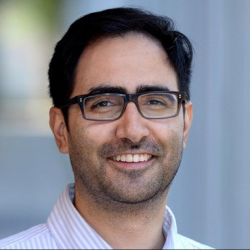 Altuna Akalin, PhD, Group Leader, Bioinformatics Platform, Max Delbruck Center for Molecular Medicine
Group Leader
Max Delbrück Center for Molecular MedicineDr. Altuna Akalin is a bioinformatics scientist and the head of Bioinformatics and Omics Data Science Platform at the Berlin Institute for Medical Systems Biology, Max Delbrück Center in Berlin. He has been developing computational methods for analyzing and integrating large-scale genomics data sets since 2002. He is interested in using machine learning and statistics to uncover patterns related to important biological variables such as disease state and type. He lived in the USA, Norway, Turkey, Japan and Switzerland in order to pursue research work and education related to computational genomics. The underlying aim of his current work is utilizing complex molecular signatures to provide decision support systems for disease diagnostics and biomarker discovery. In addition to the research efforts and the managing of a scientific lab, since 2015, he has been organizing and teaching at computational genomics courses in Berlin with participants from across the world.
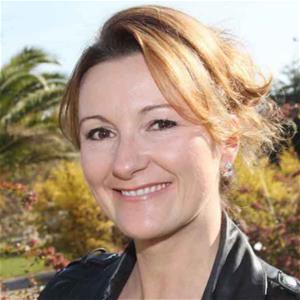 Catherine Alix-Panabières, PhD, Associate Professor and Director, Laboratory of Rare Human Circulating Cells (LCCRH), University Medical Center of Montpellier, France
Dir
University Medical Center of MontpellierDr Alix-Panabières is an Associate Professor and the Director of the Laboratory of Rare Human Circulating Cells (LCCRH) at the University Medical Center of Montpellier and the CREEC – CANECEV CNRS, University Montpellier, France. She has been working in the liquid biopsy field for 23 years and is the expert for the EPISPOT assay, a technology that has been recently improved to detect functional CTCs at the single cell level (EPIDROP). Importantly, Drs Alix-Panabières & Pantel coined for the first time the term ‘Liquid Biopsy’ in 2010 (Trends Mol Med).
She has authored >125 scientific publications during the last years and 15 book chapters, she is the inventor of 3 patents in the field of liquid biopsy. She is involved in Basic Sciences (establishment of CTC lines), Technological Developments and many national and international Clinical Trials in liquid biopsy. With her colleagues in France, she demonstrated for the first time the clinical utility of CTCs in metastatic breast cancer (Bidard et al. JAMA Oncol 2021). She established many fruitful collaborations all over the world, in Europe, USA, South America, Asia and Australia, and got many national and European grants during the last decade and is actively involved in the European Society of Liquid Biopsy (ELBS).
It was a great honor for her to receive the Gallet et Breton Cancer Prize, the highest honor conferred by the French Academy of Medicine in November 2012 for her huge work in the field of liquid biopsy, the 2017 AACR Award for the most cited scientific article in 2015 (Cayrefourcq et al. Cancer Res). In October 2021, she received the International Liquid Biopsy Society (ISLB) Award for her Lifetime Achievement as well as the prestigious Alexandr Savchuk Award in January 2022, during the ‘15ème biennale Monégasque de Cancérologie’, both in consideration of her huge contribution in the field during her career and her commitment in the development of the liquid biopsy research.
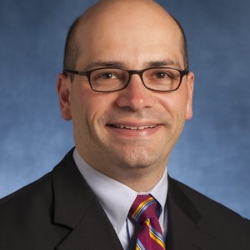 Robert Anders, MD, PhD, Associate Professor, Pathology, Johns Hopkins University
Assoc Prof
Johns Hopkins UnivDr. Robert A. Anders earned his medical and Molecular Biology graduate degrees at Mayo Medical and Graduate School. He completed his Anatomic and Clinical Pathology residence, fellowship in Gastrointestinal and Liver Pathology, postdoctoral training in Immunology and Instructor of Pathology at the University of Chicago. He joined the faculty at Johns Hopkins School of Medicine in 2005 as an Assistant Professor in Division of Gastrointestinal and Liver Pathology and now is an Associate Professor of Pathology. He also serves as co-director of the Tumor Microenvironment Laboratory in the Bloomberg~Kimmel Institute for Immune Cancer Therapy. In addition to his duties as a practicing GI/Liver surgical pathologist, Dr. Anders runs an independently funded research lab that focuses on tumor immunology. His interest in Immunology developed while he studied liver immunology and regeneration while at the University of Chicago and the early years of this position at Johns Hopkins. His current interests are in tumor immunology and specifically interrogating the immune microenvironment in tumor tissue. He first began examining human tissue for the expression of PD-1 / PD-L1 in 2006, at the encouragement of his K08 mentor Dr. Lieping Chen. He continues research in human and murine cancer immunology using single and multiple color immunostaining coupled to digital image analysis.
 Rima Arnaout, Assistant Professor, Cardiology, University of California San Francisco
Assistant Professor
Univ of California San FranciscoDr. Rima Arnaout is Assistant Professor of Medicine, a Chan Zuckerberg Biohub investigator, and faculty in the Bakar Computational Health Sciences Institute, the Biological and Medical Informatics program, and the Center for Intelligent Imaging at the University of California, San Francisco. Dr. Arnaout is a physician-scientist with a background in genetics, clinical research and programming, and a practicing cardiologist board-certified in multi-modality cardiovascular imaging. She is currently developing computational methods to bring precision phenotyping to cardiovascular imaging for both research and clinical use. Dr. Arnaout is the recipient of the Sarnoff Cardiovascular Research Foundation Fellow and Scholar awards. She completed her undergraduate degree at the Massachusetts Institute of Technology, her MD at Harvard Medical School, her internal medicine residency at Massachusetts General Hospital, and her cardiology fellowship and imaging training at the University of California, San Francisco.
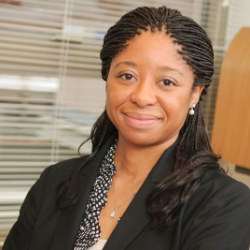 Esther Babady, PhD, Senior Vice President, Global Medical Affairs, bioMerieux
Senior Vice President
bioMerieuxDr. Esther Babady, PhD, is a board-certified clinical microbiologist with expertise in the molecular laboratory diagnosis of infectious diseases. She received her doctoral degree in Biochemistry and Molecular Biology and completed a post-doctoral fellowship in Clinical Microbiology at the Mayo Clinic in Rochester, MN.
Dr. Babady currently serves as Senior Vice President, Global Medical Evidence Generation at bioMérieux, where she leads the company’s global strategy for generating clinical, scientific, and real-world evidence to support innovative diagnostic solutions that advance patient care and strengthen antimicrobial stewardship worldwide.
Prior to joining bioMérieux, she was the Chief of the Clinical Microbiology Service, an Attending Microbiologist, and a Professor in the Departments of Pathology and Laboratory Medicine and Medicine (Infectious Diseases Service) at Memorial Sloan Kettering Cancer Center.
Nationally, Dr. Babady contributes to multiple professional societies, including the American Society for Microbiology, the Pan-American Society for Clinical Virology, and the Association for Molecular Pathology. Her research has focused on rapid molecular diagnostics for infectious diseases and the use of molecular tools for surveillance and prevention of healthcare-associated infections, particularly in immuno-compromised cancer patients.
Dr. Babady has published extensively in the field of diagnostic molecular microbiology. She is a Senior Editor for Microbiology Spectrum and an Associate Editor for the Journal of Molecular Diagnostics. She is an elected Fellow of both the Infectious Diseases Society of America and the American Academy of Microbiology.
 Johan Baeck, MD, Senior Vice President, Clinical Development and Medical Affairs, Jounce Therapeutics
SVP Clin Dev & Med Affairs
Jounce Therapeutics IncJohan Baeck, MD, is Senior Vice President, Clinical Development and Medical Affairs at Jounce Therapeutics, a clinical stage immuno-oncology company dedicated to transforming the treatment of cancer by matching the right immunotherapy to the right patient. Dr. Baeck has been designing and conducting cancer immunotherapy clinical trials with in-depth translational focus for more than ten years. He holds an MD from the Katholieke Universiteit Leuven in Belgium.
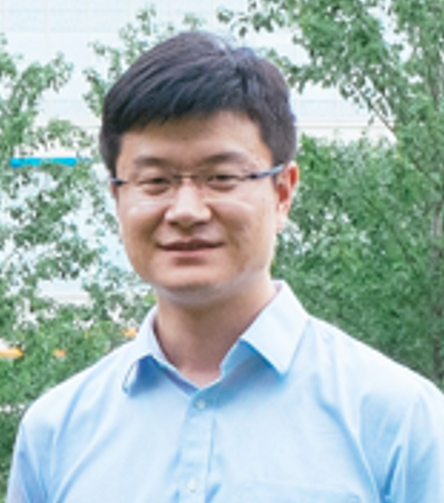 Charles Bao, General Manager, BGI Americas
General Manager
BGI AmericasDr. Charles Bao is the General Manager of BGI Americas, the US subsidiary of BGI Genomics headquartered in China. Charles leads BGI’s business operations in the Americas Region, including its contract research services and in vitro diagnostics business. Under his leadership, BGI’s RT-PCR kit for SARS-CoV-2 detection received Emergency Use Authorization by US FDA and Importation/Sales Authorization by Health Canada, making this product one of the earliest authorized medical devices for COVID-19 diagnostics in North America. He has also built essential IVD business functions in the Americas region to help clinical laboratories implement, scaleup and sustain COVID-19 testing. Before joining BGI Americas, Charles held multiple technical support and sales roles at GenScript and received his Ph.D. in Cell and Developmental Biology from Rutgers University in New Jersey.
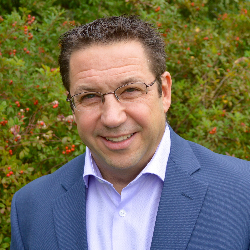 Michael Baratta, BA/MCAHPM, Scientific Director and Chief of Staff, Clinical Biomarker Development Innovation, Takeda
Scientific Dir & Chief of Staff
Takeda Pharmaceuticals IncMichael Baratta currently serves as a Scientific Director/Chief of Staff for the Clinical Biomarker Innovation and Development group at Takeda Pharmaceuticals in Cambridge, MA. He received his B.A. from Loyola University of Chicago and a Masters Certificate in Applied Healthcare Project Management from Villanova University. Mike began his career as a member of the Global Drug Metabolism group at Pharmacia/G.D. Searle and transitioned to a Principal Scientist role with Pfizer after the closure of the merger. Prior to joining Takeda in 2013, he served as a Director on Nonclinical Development, Pharmacokinetics and Biometrics with Duck Flats Pharma. Mike is a member of several FNIH biomarker consortia, industry committees and serves as a NIH/NINDS translational research funding application reviewer. Mike’s research focus is mass spectrometry focused analytical assay development and clinical validation of post translation biomarkers supporting patient characterization/stratification strategies.
 Bo Barnhart, Ph.D., Scientific Director, AbCellera
Scientific Director
AbCelleraWith over 12 years of antibody drug development experience in the pharmaceutical industry, Bo uses this expertise as Scientific Director to help partners evaluate, optimize and nominate developable lead candidates from the large panels of high-quality antibodies generated by AbCellera. Bo was a former Senior Director at Bristol-Myers Squibb, where he progressed more than ten therapeutics, spanning target identification up to early clinical development, with several entering first-in-human testing.
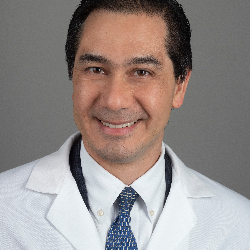 Dan Barouch, MD, PhD, William Bosworth Castle Professor of Medicine, Harvard Medical School, Ragon Institute of MGH, MIT, and Harvard; Director, Center for Virology and Vaccine Research, Beth Israel Deaconess Medical Center
Prof
Beth Israel Deaconess Medical CtrDr. Dan Barouch received his PhD in immunology from Oxford University and his MD from Harvard Medical School. He is currently the William Bosworth Castle Professor of Medicine and Professor of Immunology at Harvard Medical School, Director of the Center for Virology and Vaccine Research at Beth Israel Deaconess Medical Center, a member of the Ragon Institute of MGH, MIT, and Harvard, and part of the Bill & Melinda Gates Foundation Collaboration for AIDS Vaccine Discovery. His laboratory focuses on studying the immunology and virology of HIV-1 infection and developing novel vaccine and eradication strategies. His group has also applied their vaccine expertise to preclinical and clinical studies of other infectious diseases of global significance, including Zika virus, tuberculosis, and most recently SARS-CoV-2.
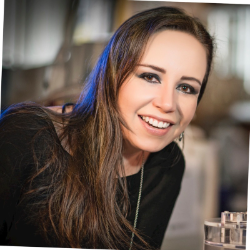 Lourdes Barrera, PhD, Executive Director, Global Medical Affairs Oncology—Precision Medicine, Merck
Executive Director
MerckDr. Lourdes Barrera is a Biomedical Researcher and Scientist with in-depth experience leveraging expertise in immunology, medical affairs, precision medicine, diagnostic solutions, and testing technologies. Dr. Barrera holds PhDs in Biological Sciences (Immunology) and in Philosophy of Science (Science Communication) and a master’s degree in Molecular Biology. Dr. Barrera has developed an outstanding career as a medical researcher in respiratory diseases (IPF, HP, COPD) and lung cancer for 20 years. First author of more than 40 scientific peer reviewed publications and multiple congress presentations and scientific talks since 2002. She has had a long-standing relationship with diagnostic and pharmaceutical companies for which she has performed training courses as well as consulting worldwide. Dr. Barrera has a wealth of experience and proven talent leveraging both biomedical expertise and business acumen to drive pharma industry-leading performance. She has held positions as Country Diagnostic Lead, Global Diagnostic Capabilities Director, Global Medical Affairs Lead for Immuno-oncology and most recently, Global Precision Medicine Senior Director at Novartis.
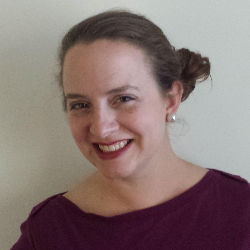 Kristin G. Beaumont, PhD, Assistant Professor, Genetics & Genomic Sciences, Icahn School of Medicine at Mount Sinai
Assistant Professor/Assistant Director of Single Cell Technology Development
Icahn School of Medicine at Mount SinaiKristin received her PhD in Chemical Engineering from Arizona State University and pursued postdoctoral training in Chemical Biology, first at the University of Chicago and then at Northwestern University, where she focused on understanding and visualizing cellular adhesion and migration heterogeneity at the single cell level, particularly in the context of cancer metastasis. In 2015, Kristin joined Berkeley Lights, Inc. as part of their single cell assay R&D effort where she helped to develop and apply novel single-cell phenotypic assays and informatic approaches for a variety of collaborative investigations, including those focused on tumor heterogeneity. She returned to academia in 2017 when she joined the Icahn School of Medicine at Mount Sinai as an Assistant Professor of Genetics and Genomic Sciences and the Assistant Director of Single Cell Genomics Technology Development. As part of this role, she leads a wide range of single-cell and spatial genomic research collaborations that leverage novel technology, including those that are a continuation of her interest in understanding the role of genotypic and phenotypic heterogeneity in cancer.
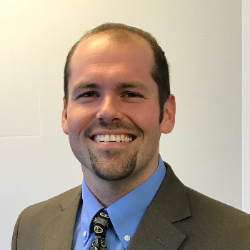 Gregory J. Berry, PhD, Associate Professor, Pathology & Cell Biology, Columbia University Vagelos College of Physicians and Surgeons
Associate Professor
Columbia University Vagelos College of Physicians and SurgeonsDr. Berry is board-certified diplomate of the American Board of Medical Microbiology. He received his PhD in Microbiology and Immunology from the Pennsylvania State University College of Medicine and completed a fellowship in Medical and Public Health Microbiology at the University of Texas Medical Branch. Dr. Berry is currently an Associate Professor of Pathology and Cell Biology in the Columbia University Vagelos College of Physicians and Surgeons, Medical Co-Director of the Clinical Microbiology Service, and Co-Director of the Center for Advanced Laboratory Medicine (CALM) at New York-Presbyterian/Columbia University Irving Medical Center. He has also held previous appointments as an Assistant Professor of Pathology and Laboratory Medicine at the Donald and Barbara Zucker School of Medicine at Hofstra/Northwell and Director of the Division of Infectious Disease Diagnostics at Northwell Health.
Dr. Berry specializes in the application of infectious disease testing for the clinical diagnosis of disease and patient management. His research interests include the optimization of current methodologies and the development of new technologies for patient-centered clinical testing.
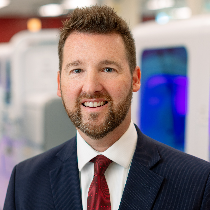 Matthew Binnicker, PhD, Consultant, Division of Clinical Microbiology; Vice Chair of Practice, Department of Laboratory Medicine and Pathology, Mayo Clinic
Director of Clinical Virology
Mayo ClinicDr. Matt Binnicker is the Director of Clinical Virology and Vice Chair of Practice in the Department of Laboratory Medicine and Pathology at Mayo Clinic. Dr. Binnicker is a Professor of Laboratory Medicine and Pathology and the President of the Pan American Society for Clinical Virology. Dr. Binnicker’s clinical and research interests focus on the development of rapid molecular tests for the diagnosis of respiratory infections. In addition, his work centers on the utilization of next-generation sequencing for the detection of mutations associated with antiviral resistance in the transplant population.
 Kristin Blouch, Director, Disease Characterization & Strategy, Experimental Medicine Unit, GlaxoSmithKline
Sr Scientist
GlaxoSmithKlineKristin is leading a novel Molecular Disease Characterization program that provides new opportunities to benefit cancer research and patient empowerment. Prior to this role, as Biomarker Lead, Kristin developed Biomarker strategies for gene-engineered T cell therapy clinical trials ranging from first-in-human Phase I through Pivotal Phase II. Kristin joined the Clinical Biomarker Team after conducting preclinical translational research in the Oncology Cell Therapy Research Unit. Prior to joining GSK, she worked at the University of Pennsylvania within the Center for Cellular Immunotherapies working on generation of CAR T cells and CAR macrophages, across solid and liquid tumor indications. Prior to UPENN, Kristin worked analyzing patient samples at Fox Chase Cancer Center (Philadelphia, PA). Kristin got her start in cancer immunology research at Johns Hopkins University in characterizing checkpoint blockade molecules LAG3 & PD-1 on T cells. Her formal education was in Biology/Biotechnology at Shippensburg University.
 Julia Boguslavsky, Executive Director, Conferences, Cambridge Healthtech Institute
Conference Dir
Cambridge Healthtech Institute
 Genevieve Boland, MD, PhD, Assistant Professor, Surgery; Director, Melanoma Surgery Program, Massachusetts General Hospital
Dir of Melanoma Surgery Program
Massachusetts General HospitalGenevieve M. Boland, MD, PhD, FACS is an Assistant Professor at Harvard Medical School and Director of the Melanoma Surgery Program at the Massachusetts General Hospital. Her primary clinical focus is on melanoma and cutaneous oncology. She undertook combined MD/PhD training, completing a PhD at the National Institutes of Health.
She graduated cum laude from Thomas Jefferson University as a member of the Alpha Omega Alpha medical honor society and completed her general surgical training at Massachusetts General Hospital. Following this, she completed a clinical fellowship in Complex General Surgical Oncology and a combined research fellowship at the University of Texas MD Anderson Cancer Center. She is board certified in General Surgery and Complex General Surgical Oncology.
Dr. Boland has received many awards including the American Surgical Association Foundation Fellowship, the Association of Women Surgeons Research Fellowship, the Harvard Catalyst Medical Research Investigator Training Award, the Karin Grunebaum Cancer Foundation Fellowship, and the Society of Surgical Oncology Clinical Investigator Award. She is Director of the Surgical Oncology Research Laboratories and an Associate Member of the Broad Institute of MIT and Harvard. Her laboratory is currently focused on molecular profiling of melanoma, characterization of molecular and immunological changes that occur during immunotherapy, and the identification of circulating biomarkers of cancer.
 Darrell R. Borger, PhD, Associate Director, Translational Sciences, Head, Integrated Translational Technologies, Oncology Drug Development Unit, Takeda
Assoc Dir
TakedaDarrell Borger is Head of the Integrated Translational Technologies Laboratory in Takeda’s Oncology Drug Development Unit. With over a decade of previous experience in a large academic hospital, Darrell is working to integrate diverse expertise in cancer biomarkers and pathology with promising technologies and informatics to drive novel drug development strategies in immune oncology and provide a continuum of translational biomarker development into early clinical evaluation.
 Bryan Bothwell, Director of Strategy and Business Development, Biotechnologies, Qorvo Biotechnologies
Director of Strategy and Business Development
Qorvo BiotechnologiesBryan Bothwell is Director of Strategy and Business Development for Qorvo Biotechnologies, in charge of global strategy, product, market, and customer development. He has undergraduate degrees from the University of Portland in Biology and Biochemistry and graduate degrees in Electrical Engineering and Business from Oregon Health Sciences University and Babson College respectively.
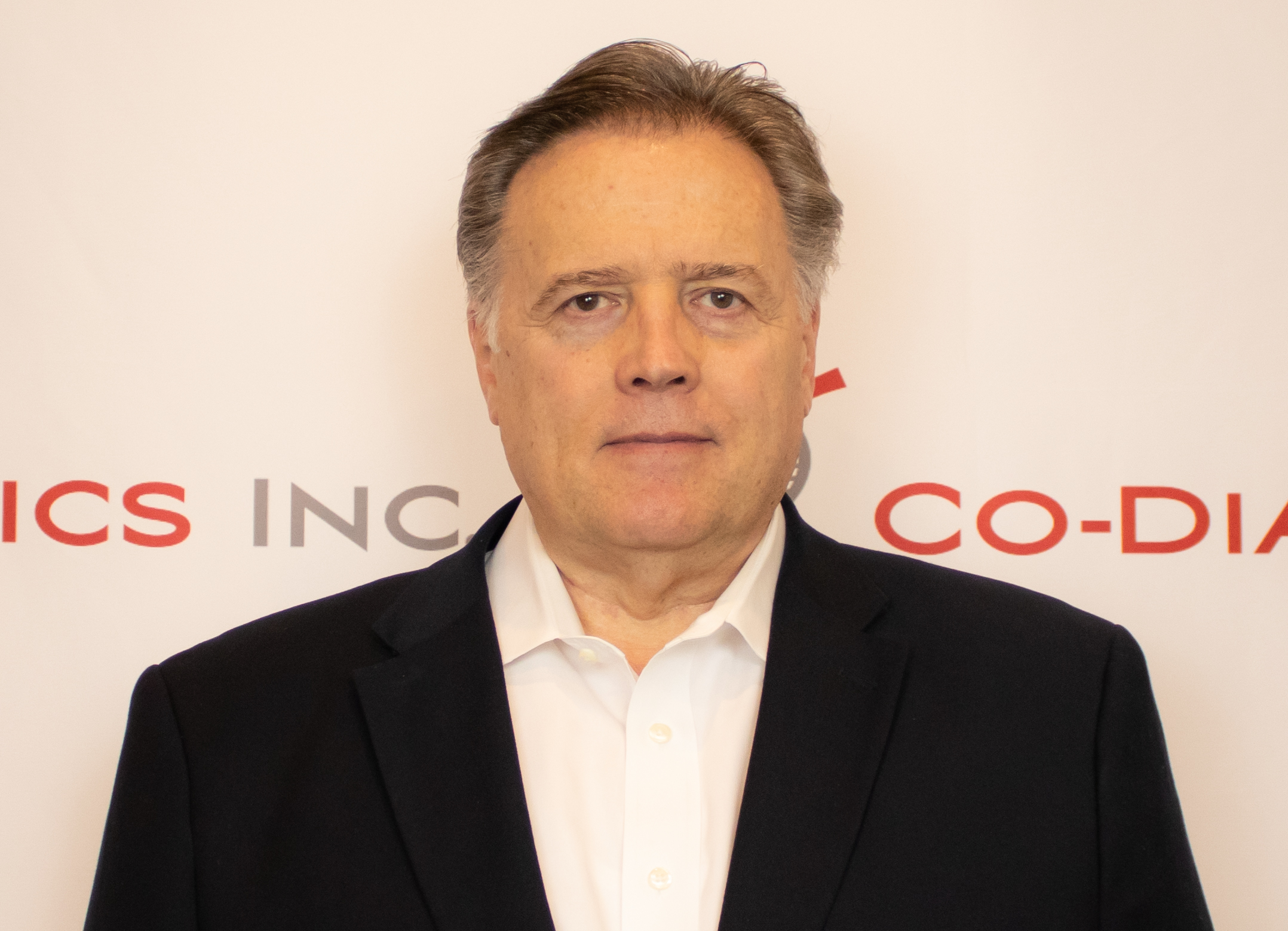 Kenneth Bramwell, PhD, Research & Development, Co-Diagnostics, Inc
Research & Development
Co-Diagnostics, Inc
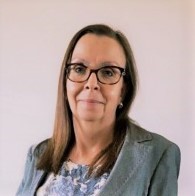 Roberta Carbone, PhD, CSO, Tethis S.p.A
CSO
Tethis S.p.ARoberta Carbone attained a Ph.D. in Forensic Medicine at University of Genoa; after two years at NIH, Bethesda (US), she worked as Assistant Researcher at EIO in Milan (Italy), focusing on technological innovation in oncology. She is author of more than 30 publications and several patent applications. She joined Tethis S.p.A in March 2006 where she currently is the CSO, working on innovative diagnostics in oncology, based on Tethis proprietary nanomaterials.
 Janice Chen, PhD, Co-Founder & CTO, Mammoth Biosciences
Co Founder & Chief Technology Officer
Mammoth BiosciencesJanice Chen is the co-founder and CTO of Mammoth Biosciences, a biotechnology company harnessing the diversity of nature to power the next generation of CRISPR products across diagnostics and therapeutics. Through its discovery of novel CRISPR systems, the company is enabling the full potential of its platform to read and write the code of life. Janice received her PhD from the lab of Nobel Laureate Professor Jennifer Doudna at University of California, Berkeley. She investigated mechanisms of CRISPR proteins and developed technologies leading to multiple papers and patents, and co-invented the programmable CRISPR-based detection technology called DETECTR. Janice was selected as a Forbes 30 Under 30 in Healthcare, Business Insider's 30 Under 40 in Healthcare, Endpoints Top 20 Women in Biopharma, MIT Technology Review 35 Innovators Under 35 and delivered a TEDx talk on the potential for CRISPR to democratize diagnostics.
 Daniel T. Chiu, PhD, A. Bruce Montgomery Professor of Chemistry; Endowed Professor in Analytical Chemistry; Professor of Bioengineering, University of Washington
A Bruce Montgomery Prof
Univ of WashingtonDaniel T. Chiu is the A. Bruce Montgomery Professor of Chemistry, Endowed Professor of Analytical Chemistry, Washington Research Foundation Professor, and Professor of Bioengineering at the University of Washington, Seattle. He obtained a B.A. in Neurobiology and a B.S. in Chemistry from the University of California at Berkeley in 1993 and a Ph.D in Chemistry from Stanford University in 1998. He is currently a member of the Center for Nanotechnology and the Neurobiology and Behavior Program at the University of Washington, as well as a member of the Cancer Consortium at the Fred Hutchinson Cancer Research Center.
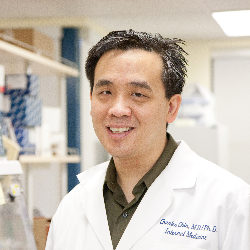 Charles Chiu, MD, PhD, Professor, Laboratory Medicine and Medicine/Infectious Diseases; Director, UCSF Clinical Microbiology Laboratory; Chan-Zuckerberg Biohub Investigator, UCSF School of Medicine
Prof
Univ of California San FranciscoCharles Chiu, MD, PhD is Professor of Laboratory Medicine and Medicine, Division of Infectious Diseases at University of California, San Francisco, Director of the UCSF-Abbott Viral Diagnostics and Discovery Center (VDDC), and Associate Director of the UCSF Clinical Microbiology Laboratory. Chiu currently heads a translational research laboratory focused on next-generation sequencing assay development for infectious disease diagnostics, discovery and investigation of emerging pathogens, including Borrelia burgdorferi (Lyme disease), Ebola virus, enterovirus D68, and Zika virus, and clinical/public health applications of new diagnostic technologies such as nanopore sequencing. He is also actively developing RNA sequencing approaches to detect and identify diagnostic profiles of the body’s response to infection. His work is supported by funding from the National Institutes of Health (NIH), Abbott Laboratories, Department of Defense, NASA/Translational Research Institute, philanthropic grants (Charles and Helen Schwab and Steven and Alexandra Cohen Foundations), and the California Initiative to Advance Precision Medicine. Dr. Chiu has authored more than 80 peer-reviewed publications, holds over 15 patents and patent applications, and serves on the scientific advisory boards for Therabio, Inc., and Mammoth Biosciences, Inc.
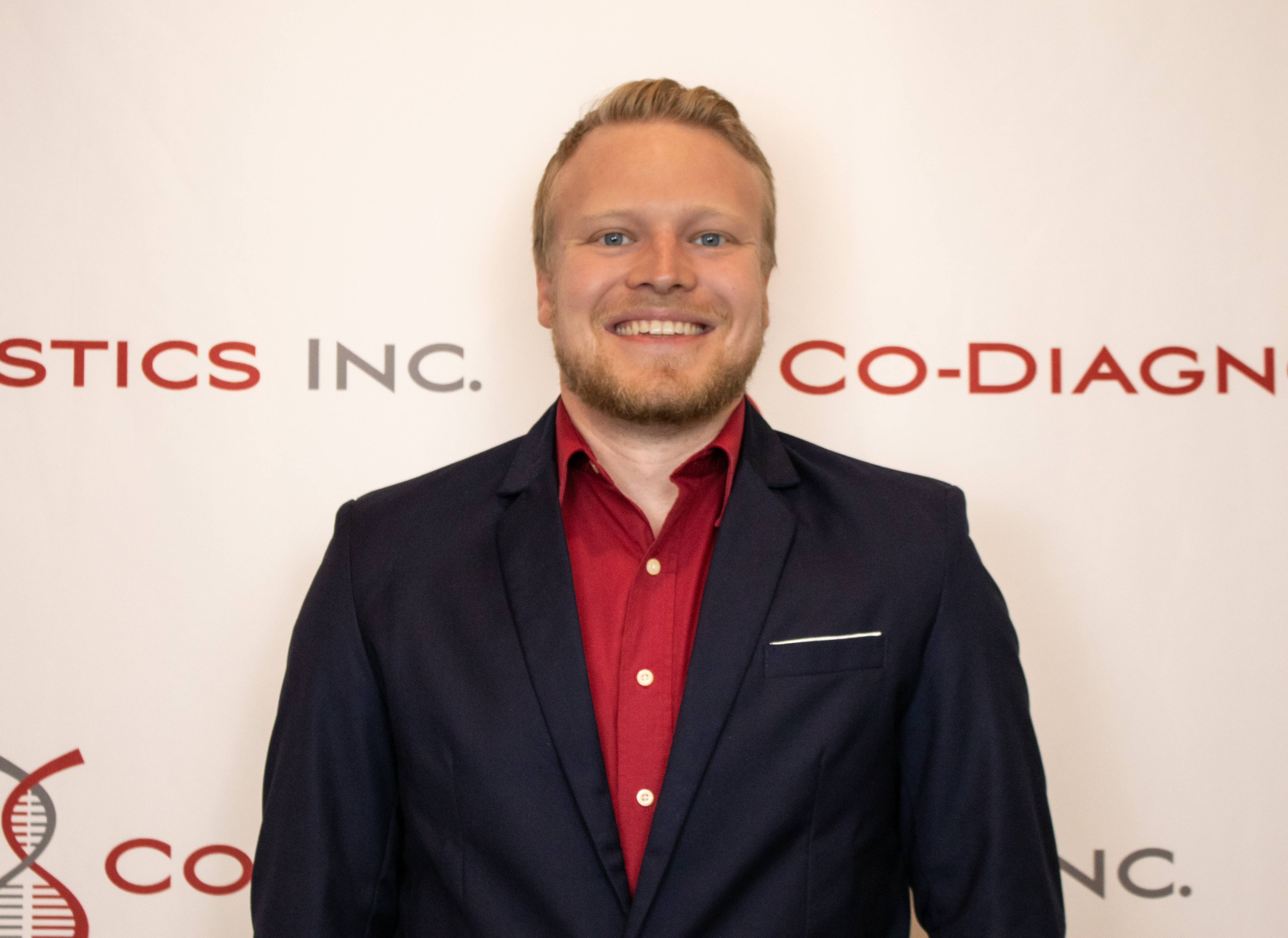 Masen Christensen, Senior Design Engineer, Research & Development, Co-Diagnostics, Inc.
Senior Design Engineer
Co-Diagnostics, Inc.
 Tomas Cihlar, PhD, Vice President, Virology, Gilead
VP Virology
Gilead Sciences IncTomas Cihlar, PhD is a Vice President of Research Virology at Gilead Sciences with responsibility for coordinating preclinical antiviral research. Dr. Cihlar joined Gilead after receiving his PhD in Biochemistry from the Institute of Organic Chemistry and Biochemistry in Prague, Czech Republic. While at Gilead, he has contributed to the development and regulatory approval of multiple antiviral products including the portfolio of Gilead’s HIV drugs and their combinations. Together with his colleagues at Gilead, he established research programs focused on long-acting antiretrovirals, cure of HIV and chronic hepatitis B, and treatment of respiratory and emerging viral infections. For several years, Dr. Cihlar served as a leader of Gilead’s remdesivir program. Remdesivir has been approved by FDA in October 2020 for the treatment of hospitalized COVID-19 patients. In the past, Dr. Cihlar served on the Board of Directors of the International Society for Antiviral Research and is currently on the Board of Directors for Global Virus Network.
 Carolyn Compton, MD, PhD, FCAP, Professor, Life Sciences, Arizona State University; Professor of Laboratory Medicine and Pathology, Mayo College of Medicine; CMO, National Biomarker Development Alliance
Prof
Arizona State UnivCarolyn Compton, MD, PhD is an academic pathologist specializing in gastrointestinal disease. She is a Professor of Life Sciences at Arizona State University, a Professor of Laboratory Medicine and Pathology at the Mayo Clinic School of Medicine, and an Adjunct Professor of Pathology at the Johns Hopkins Medical Institutions. She is the Chief Medical Officer of the National Biomarker Development Alliance and an Affiliated Scholar in the ASU Healthcare Delivery and Policy Program. She is the Medical Director of the ASU Biodesign Clinical Testing Laboratory. Nationally, she serves as the Chair of the Precision Medicine Core of the AJCC and the Chair of the Preanalytics for Precision Medicine Project Team of the College of American Pathologists.
 Dana Connors, MSc, PMP, Director, Cancer Research Partnerships, Foundation for the National Institutes of Health
Director, Cancer Research Partnerships
Foundation for the National Institutes of Health (NIH)Dana E. Connors, MSc, PMP is the Director for Cancer Research Partnerships at the Foundation for the National Institutes of Health. Drawing on experience in the biotechnology industry, non-profit and federal sectors, he works with the Cancer Steering Committee to set strategy and prioritize project pipelines and manages the activities of project teams and working groups to facilitate the advancement and execution of innovative cancer research and biomarker development. In his work with public-private biomedical research partnerships he engages participation from government, industry, academia, patient-advocacy, and private sector organizations to drive international scientific collaboration in multiple disease areas. Ongoing collaborations include analytical validation and clinical utility of liquid biopsy, project opportunities around immuno-oncology biomarkers, development of clinical trial metrics, and Minimal Residual Disease in blood-based cancers.
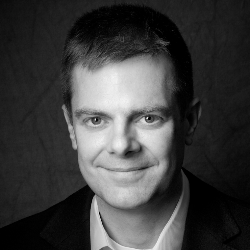 James E. Crowe Jr., MD, Ann Scott Carell Chair & Professor & Director, Vaccine Center, Vanderbilt University Medical Center
Ann Scott Carell Chair & Prof & Dir
Vanderbilt Univ Med CtrDr. James Crowe is Director of the Vanderbilt Vaccine Center and the Ann Scott Carell Professor of Pediatrics, Pathology, Microbiology and Immunology at Vanderbilt. His laboratory studies the human immune response to infection for a wide variety of major human pathogens, including many emerging infections. He is the Director of the HUMAN IMMUNOME PROJECT, an ambitious effort to identify the sequence of all transcripts for human adaptive immune receptors. He is an elected member of the National Academy of Medicine, National Academy of Inventors, and other major professional organizations. His research group uses a very broad array of techniques including molecular and cellular biology, state-of-the-art imaging and flow cytometry, bioinformatics, and bioengineering approaches to attack scientific problems at the forefront of immunity research. The group has been recognized widely as a leader in antibody sciences, for instance as the Best Academic Research Team, 11th Annual Vaccine Industry Excellence Awards, World Vaccine Congress, recipient of the 2019 Merck Future Insight Prize for Pandemic Preparedness, and large-scale research grants and contracts from NIH and DoD, including the DARPA Pandemic Prevention Program (P3).
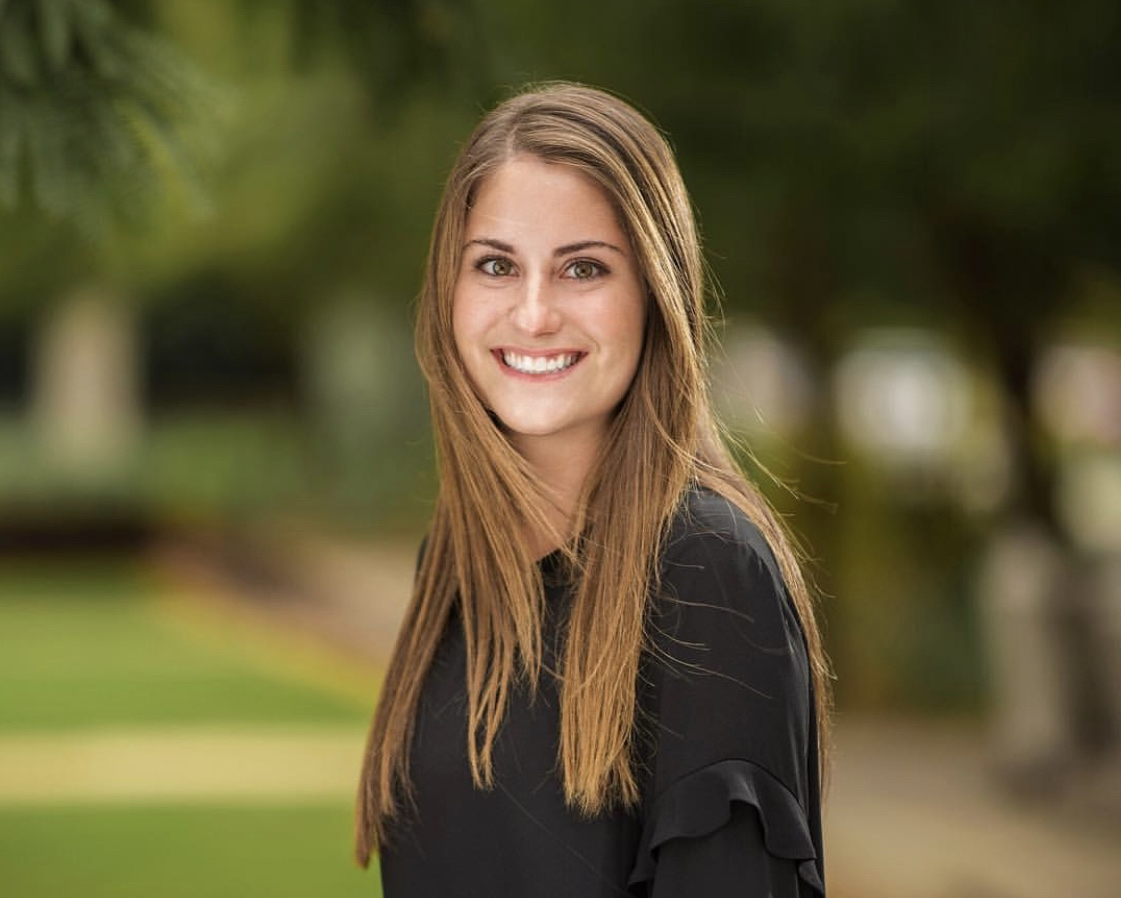 Abbey Cutchin, PhD, Manager, Oncology Segment Marketing, 10X Genomics
Manager, Oncology Segment Marketing
10X GenomicsAbbey received her degree in bioengineering from Stanford University. Prior to joining 10x Genomics, she was on the global market development team in oncology at Illumina. At 10x, she is focused on accelerating the use of single cell and spatial analyses in basic and translational cancer research.
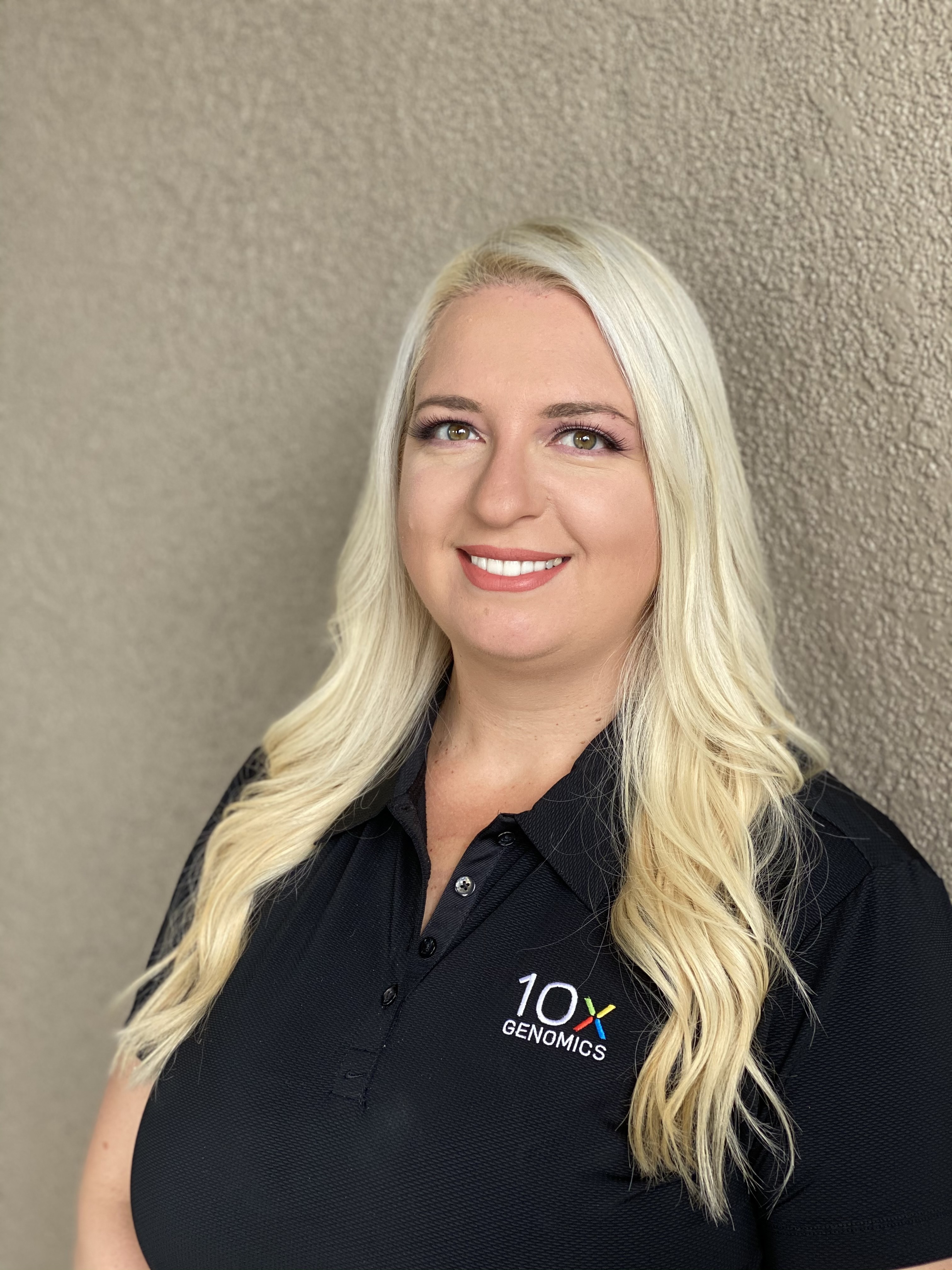 Rea Dabelic, PhD, Manager, Infectious Disease Segment Marketing, 10X Genomics
Manager, Infectious Disease Segment Marketing
10X GenomicsRea earned her undergraduate and PhD degrees in Microbiology and Immunology from the University of Florida, where she studied interferon signaling and developed antiviral therapeutics. She completed her postdoc in Virology at Columbia University where she studied viral immune evasion and host defense mechanisms. At 10x Genomics, Rea is the infectious disease segment manager focused on accelerating the use of single cell and spatial analyses.
 Biswajit Das, PhD, Principal Scientist, Molecular Characterization, Frederick National Laboratory for Cancer Research
Principal Scientist
Leidos Biomedical Research IncDr. Bishu (Biswajit) Das is Principal Scientist at the Molecular Characterization Laboratory in Frederick National Laboratory for Cancer Research. He has over 10 years of experience in developing clinical genomic assays. His group supports genomic biomarker studies for multiple NCI sponsored clinical trials. He has a PhD in Molecular Biology from Jadavpur University, Kolkata, India and completed postdoctoral work at Carnegie Institution, Baltimore, MD.
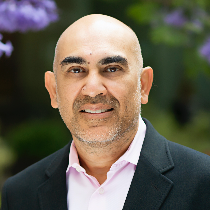 Adil Daud, MD, Professor, Hematology/Oncology, University of California, San Francisco; Director, Melanoma Clinical Research, UCSF Helen Diller Family Comprehensive Cancer Center
Clinical Prof
Univ of California San FranciscoI have extensive experience in translational research and clinical trial design, especially in melanoma. My post-doctoral fellowships were at Cleveland Clinic and Indiana University respectively working in basic science labs on fundamental biologic processes. At Memorial Sloan Kettering Cancer Center, I trained with Drs David Spriggs, Carol Aghajanian and Paul Chapman gaining a broad understanding of experimental therapeutics. Over the next 7 years, at the Moffitt Cancer Center, I designed and conducted numerous Phase I and II clinical trials collaborating with my colleagues Drs Richard Heller, Richard Jove, Hua Yu, Dmitry Gabrilovich, Timothy Yeatman, Pamela Munster and Daniel Sullivan, many with first in man or novel compounds and mostly in patients with melanoma. One of my collaborations with Dr Heller has resulted in intratumoral IL12 as a treatment for melanoma. At UCSF, I lead the melanoma program and several early phase and melanoma specific clinical trials as well as collaborating with my colleagues Michael Rosenblum, Max Krummel and Jeff Bluestone. One of our most interesting collaborations is with Meromot Singer at Harvard to analyse scRNA from melanoma patients progressing on immunotherapy to develop better understanding of immunotherapy response.
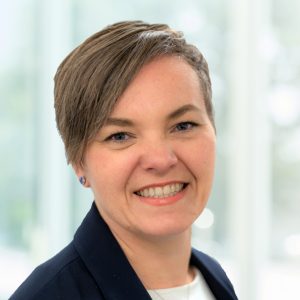 Erica Dawson, PhD, Chief Technical Officer, InDevR
Chief Technical Officer
InDevRDr. Dawson earned her Ph.D. in Analytical Chemistry from The University of North Carolina at Chapel Hill, with subsequent postdoctoral training at the University of Colorado on microarray-based diagnostics for influenza. With InDevR since 2006, she currently leads InDevR’s R&D and engineering teams focused on new product development.
 Andrea De Souza, Chief Corporate Development Officer, Qubit Pharmaceuticals
Chief Corporate Development Officer
Qubit PharmaceuticalsA former neuroscience researcher, Andrea’s portfolio career has included leadership assignments at the intersection of science, technology and business development. She has built and led informatics and scientific teams across the entire pharmaceutical value chain. Most recently, Andrea focused on building the Pharma Artificial Intelligence market at NVIDIA. Through this experience she has travelled the world advising biopharmaceutical, academics, research institutes, and startups in the potential of machine learning and artificial intelligence across every discipline in our industry. Prior to her role at NVIDIA, Andrea held leadership positions at the Broad Institute of Harvard and MIT, Amgen, and Roche. In the last three years, Andrea’s work at Eli Lilly & Company has focused around empowering the LRL Research organization with greater computational, analytics-intense experimentation to raise the innovation of our scientists. As the Global Head of Data Sciences and Advanced Analytics, Andrea leads four organizations: The High-Performance Computing Team, the Data Engineering team, the AI/ML team and the Translational Informatics team for LRL. Additionally, Andrea serves as a strategic advisor for the NIH HubMap Advisory Team. She has a B.S. in Animal Physiology from UC Davis, a Master’s in Health Administration from University of San Francisco, and an MBA from MIT Sloan. Her leadership has gained her international recognition as a leader in Big Data, Artificial Intelligence and Data Sciences.
 Jennifer Dien Bard, PhD, D(ABMM), Director, Microbiology and Virology, Children’s Hospital Los Angeles; Professor, Pathology and Laboratory Medicine, Keck School of Medicine, University of Southern California
Dir Clinical Microbiology Lab
Childrens Hospital Los AngelesDr. Jennifer Dien Bard, is the director of the clinical microbiology and virology laboratories at Children’s Hospital Los Angeles (CHLA) and Professor of Pathology with Clinical Scholar designation at the University of Southern California Keck School of Medicine. Dr. Dien Bard’s research interests include studying the application of rapid diagnostics in the clinical setting to determine clinical utility. She has authored more than 80 scientific peer-reviewed publications and is a frequent speaker on the topics of molecular diagnostics.
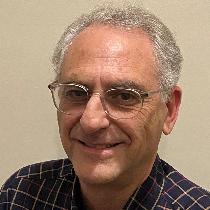 Armen M. Donabedian, PhD, Scientific Technical Advisor and Chief, Vaccine Development, Division of Influenza and Emerging Infectious Disease, BARDA
Scientific Tech Advisor & Chief
US Dept of Health & Human SvcsDr. Donabedian is currently Scientific Technical Advisor and Chief, Vaccines in the Influenza and Emerging Diseases Division (IEDD) of the Biomedical Advanced Research and Development Authority (BARDA) in the Office of the Assistant Secretary for Preparedness and Response (ASPR) with the U.S. Department of Health and Human Services (HHS). Dr. Donabedian’s Branch focuses on the advanced development of rapidly produced, broadly cross-reactive, more effective influenza vaccines and safe and effective vaccines to prevent Zika Congenital Syndrome. Most recently, Dr. Donabedian began working with colleagues across the USG to coordinate the advanced development and implementation of vaccines to prevent COVID-19. Dr. Donabedian is also the coordinator of various interagency initiatives to improve influenza virus vaccine production and is an active member of the Intergovernmental Select Agents and Toxins Technical Advisory Committee.
Dr. Donabedian received his PhD in Epidemiologic Science from The University of Michigan, School of Public Health under the tutelage of John Maassab, inventor of FluMist. Dr. Donabedian joined the Parke-Davis Sterile Products Division in l989 and was responsible for the technical support of Fluogen inactivated, trivalent influenza virus vaccine and Aplisol, tuberculin skin testing reagent. Following purchase of the Sterile Products Division by King Pharmaceuticals, Dr. Donabedian served as Senior Director of Biopharmaceutical Technology and Development and as Senior Director of Pharmaceutical Technology of the Sterile Products Division. Dr. Donabedian left King Pharmaceuticals in 2006 to join HHS/ASPR/BARDA/IEDD as a K.W. Tunnell consultant in vaccine and biologics manufacturing and became a federal employee in March 2011. Dr. Donabedian received the Secretary’s Award for Distinguished Service in 2013 for his continuing contributions to the ASPR Medical Countermeasures Team.
 Dwight Egan, CEO, Co Diagnostics Inc
CEO
Co Diagnostics Inc
 Jeremy Ellis, PhD, Chief Scientific Officer, Fry Laboratories, LLC
Chief Scientific Officer
Fry Laboratories, LLCJeremy Ellis, Ph.D. is the Chief Scientific Officer at Fry Laboratories, LLC and BioID Genomics, Inc. He is responsible for evaluating and translating high-value biotechnologies to clinical use. An author of several recent patents related to next-generation DNA sequencing, Jeremy received his bachelor’s degree in microbiology from Arizona State University and completed his Ph.D. studies in developmental and cellular biology at the University of California, Irvine.
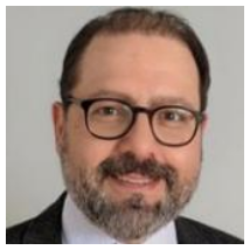 M. Khair ElZarrad, PhD, MPH, Vice President, Regulatory Policy, BridgeBio; Former Director, Office of Medical Policy, Center for Drug Evaluation & Research, FDA CDER
Vice President
BridgeBioDr. ElZarrad is the Vice President, Regulatory Policy, BridgeBio. He was the Director of the Office of Medical Policy (OMP) at FDA’s Center for Drug Evaluation and Research (CDER), where he led the development, coordination, and implementation of medical policy programs and strategic initiatives. Dr. ElZarrad currently led multiple projects focused on exploring the potential utility of real-world evidence, innovative clinical trial designs, and the integration of technological advances in pharmaceutical development. Dr. ElZarrad was the rapporteur for the International Council for Harmonisation’s ongoing work to revise the international Good Clinical Practice Guideline (ICH-E6(R2)). Prior to joining the FDA, he served as Acting Director of the Clinical and Healthcare Research Policy Division with the Office of Science Policy at the National Institutes of Health (NIH). At NIH he worked on policies related to human subject protections; the design, conduct, and oversight of clinical research; and enhancing quality assurance programs at pharmaceutical development and production facilities. He earned a doctoral degree in medical sciences with a focus on cancer metastases from the University of South Alabama, as well as a master’s degree in public health from the Johns Hopkins Bloomberg School of Public Health.
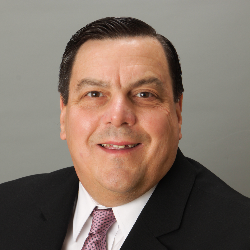 Kenneth Emancipator, MD, Executive Medical Director, Early Oncology Development, Merck & Co., Inc., Kenilworth, NJ, USA
Executive Medical Director
Merck & Co IncDr. Emancipator led Merck’s translational program which defined the PD-L1 “TPS 50 tumor,†revolutionized non-small-cell lung cancer treatment, and enabled Keytruda to become “first to first line†and the leading anti-PD-1 drug. The PD-L1 test was the first FDA-approved companion diagnostic for immunotherapy, and is now approved for six tumor types. Dr. Emancipator was one of six individuals to receive the 2015 PhRMA Research and Hope Award for Biopharmaceutical Industry Research on Merck’s behalf. He also received the 2017 Philip Levine Award for Outstanding Research and the 2019 Israel Davidsohn Award for Distinguished Service from the American Society for Clinical Pathology. Dr. Emancipator received his A.B. degree from Harvard University and M.D. from St. Louis University. He held appointments at U.S. National Institutes of Health, U.S. Food and Drug Administration, Cornell University, Beth Israel Medical Center, Bayer Healthcare, Siemens Healthcare, and Abbott Molecular before joining Merck.
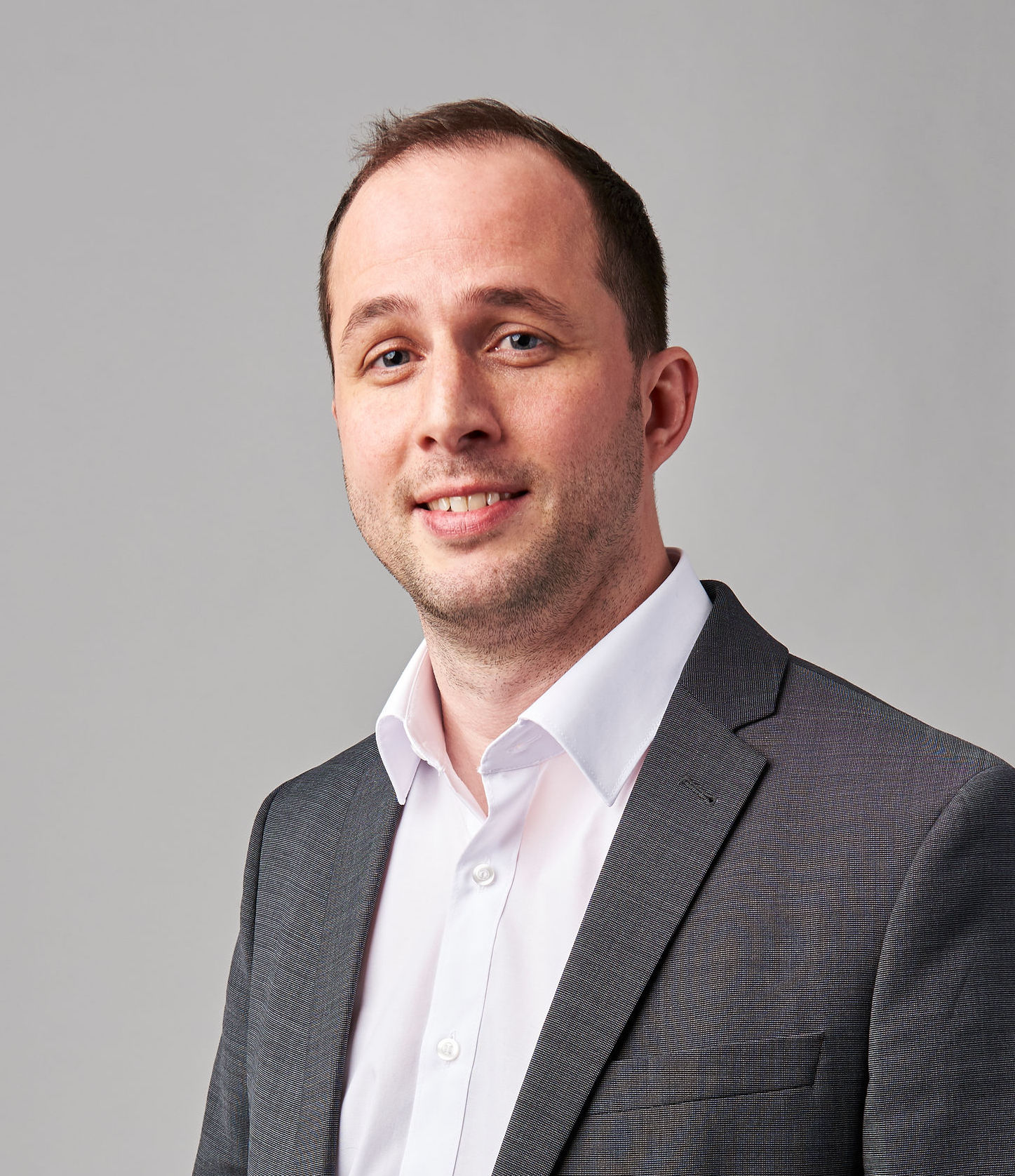 Daniel Enderle, Dr., Scientific Director, CDx, Exosome Diagnostics, a Bio-Techne Brand
Scientific Director, CDx
Exosome Diagnostics, a Bio-Techne BrandDr. Daniel Enderle is Scientific Director at Exosome Diagnostics, focused on R&D, Product Development and early Companion Diagnostics in Europe. He worked on developing QIAGEN’s and Exosome Diagnostics’ shared exoRNeasy™ line of products that is used for isolation of exosomes from biofluids. Before joining the company in 2011, he received his PhD in Molecular Biology from the University of Heidelberg and held academic appointments at the EMBL and the ETH Zurich.
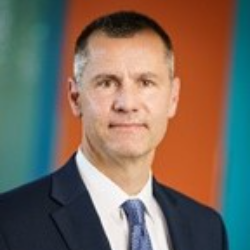 Mark T. Esser, PhD, Vice President, Microbial Sciences, BioPharma R&D, AstraZeneca
VP
AstraZeneca BiologicsDr. Esser is Vice President of Microbial Sciences’ at AstraZeneca and is accountable for overall drug discovery, translational research and clinical development of innovative medicines targeting the microbiome and infectious disease. Mark also serves on AstraZeneca’s Biopharmaceuticals senior leadership team shaping R&D strategy. Prior to joining AstraZeneca, he was the director of the Vaccine and Biologics Center of Excellence at Pharmaceutical Product Development (PPD) and prior to PPD he was at Merck Vaccines where he held positions of increasing responsibility and was instrumental in the approval of GARDASIL®. He is widely recognized for his contributions to vaccine research and global health with over 80 peer-reviewed publications. Dr. Esser received his B.S. in biochemistry from Case Western Reserve University, his doctorate in microbiology and immunology from University of Virginia and did his postdoctoral fellowship at the AIDS vaccine program at the NIH.
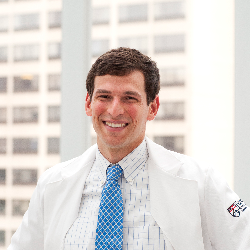 David C. Fajgenbaum, Assistant Professor, Translational Medicine & Human Genetics, University of Pennsylvania Hospital
Assistant Professor
Univ of Pennsylvania HospitalDavid Fajgenbaum, MD, MBA, MSc, is an Assistant Professor of Medicine at the University of Pennsylvania, Associate Director of Patient Impact for the Penn Orphan Disease Center, Founding Director of the Center for Cytokine Storm Treatment & Laboratory (CSTL), and Executive Director of the Castleman Disease Collaborative Network (CDCN). He is also the national bestselling author of 'Chasing My Cure: A Doctor's Race to Turn Hope Into Action.' One of the youngest individuals appointed to the faculty at Penn Medicine and in the top 1 percent youngest awardees of an NIH R01 grant, Dr. Fajgenbaum leads 18 translational research studies at Penn, including a natural history registry that is meeting an EMA post-approval requirement and a clinical trial of the drug that is saving his life. His innovative Collaborative Network approach to research has been highlighted as a model for rare disease in NEJM, Journal of Clinical Investigation, and Science.
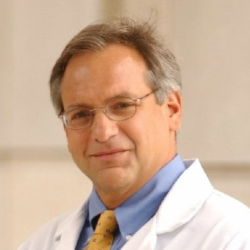 Louis D. Falo, Jr., MD, PhD, Chairman, Department of Dermatology, University of Pittsburgh School of Medicine; Professor, Department of Bioengineering, University of Pittsburgh Swanson School of Engineering
Prof & Chairman
Univ of PittsburghDr. Louis D. Falo, Jr. is Professor and Chair of the Department of Dermatology at the University of Pittsburgh School of Medicine. Dr. Falo is a graduate of Harvard Medical School, where he earned both his MD and PhD degrees with a research interest in skin immunology. He completed an internship in internal medicine at Massachusetts General Hospital, a dermatology residency through the Harvard Dermatology Program and a fellowship in cancer research at the Dana Farber Cancer Institute. In addition to Dermatology, Dr. Falo has faculty appointments in the School of Engineering, Dept of Bioengineering, the Pittsburgh Clinical and Translational Science Institute, the University of Pittsburgh Cancer Institute, and the McGowan Institute for Regenerative Medicine. Dr. Falo leads an active research program that has been continuously funded by the NIH for over 20 years. His current research efforts focus on the development of platform technologies for skin-targeted vaccines, immunotherapies, and immunomodulatory strategies. Clinically, Dr. Falo is the Director of the Occupational and Contact Dermatitis Program, and maintains an avid interest in the translational development of therapies for autoimmune diseases and non-melanoma skin cancers and is currently participating in clinical trials of novel immune therapies for skin cancers. Dr. Falo is an elected member of the American Society for Clinical Investigation, the Association of American Physicians, and is a two-time winner of the University’s Innovator Award, inventor of several patented discoveries, and Co-Founder of SkinJect, Inc,.
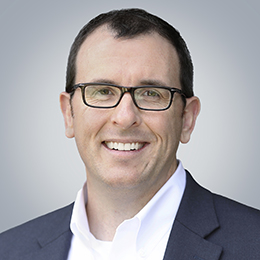 Rob Fannon, MPH, MBA, General Manager, Biospecimen Solutions, Biospecimens, Precision for Medicine
General Manager, Biospecimen Solutions
Precision for MedicineRespected vetran of the biospecimen and biomarker laboratory services industry. Honed his expertise through leadership roles in organizations including Roche, Cancer Genetics, and BioServe. Holds a Master of Public Health and a Masters of Business Administration from the Johns Hopkins University.
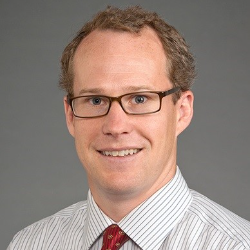 D. Clark Files, MD, Associate Professor, Pulmonary and Critical Care Medicine, Wake Forest School of Medicine
Assoc Prof
Wake Forest UnivD. Clark Files is an Associate Professor of Medicine in Pulmonary and Critical Care Medicine at Wake Forest School of Medicine. He is a pulmonary and critical care physician-scientist. His lab focuses on clinical trials in the critically ill population and studying mechanisms underlying muscle wasting in critical illness. Dr. Files serves as the site Co-PI of the ISPY-COVID Trial at Wake Forest and is the Co-Chair of the ISPY-COVID Operations Committee.
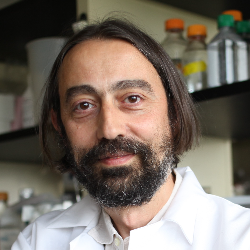 Adolfo Garcia-Sastre, PhD, Professor & Director, Global Health & Emerging Pathogens Institute, Icahn School of Medicine at Mount Sinai
Prof & Dir
Icahn School of Medicine at Mount SinaiDr. GarcÃa-Sastre is Professor in the Departments of Microbiology and Medicine and in the Tisch Cancer Center at Icahn School of Medicine Mount Sinai (ISMMS) in New York. He is also Director of the Global Health and Emerging Pathogens Institute at ISMMS, and Principal Investigator for the Center for Research on Influenza Pathogenesis (CRIP), one of five NIAID Centers of Excellence for Influenza Research and Surveillance (CEIRS). For the past 30 years, his research interest has been focused on the molecular biology, virus-host interactions, innate immunity and pathogenesis of influenza viruses and several other RNA viruses, as well as on the development of new vaccines and antivirals. He has more than 500 peer-reviewed publications in these areas of research. He has been President of the International Society for Vaccines in 2014-2015. He is Editor for the scientific journals PLoS Pathogens, Journal of Virology and Virus Research. In 2017, he has been elected a fellow of the Royal Academy of Pharmacy in Spain. In 2019, he was recognized with an Honorary Doctor Degree from the University of Burgos, Spain. Also in 2019, he was elected a member of the National Academy of Sciences and of the National Academy of Inventors.
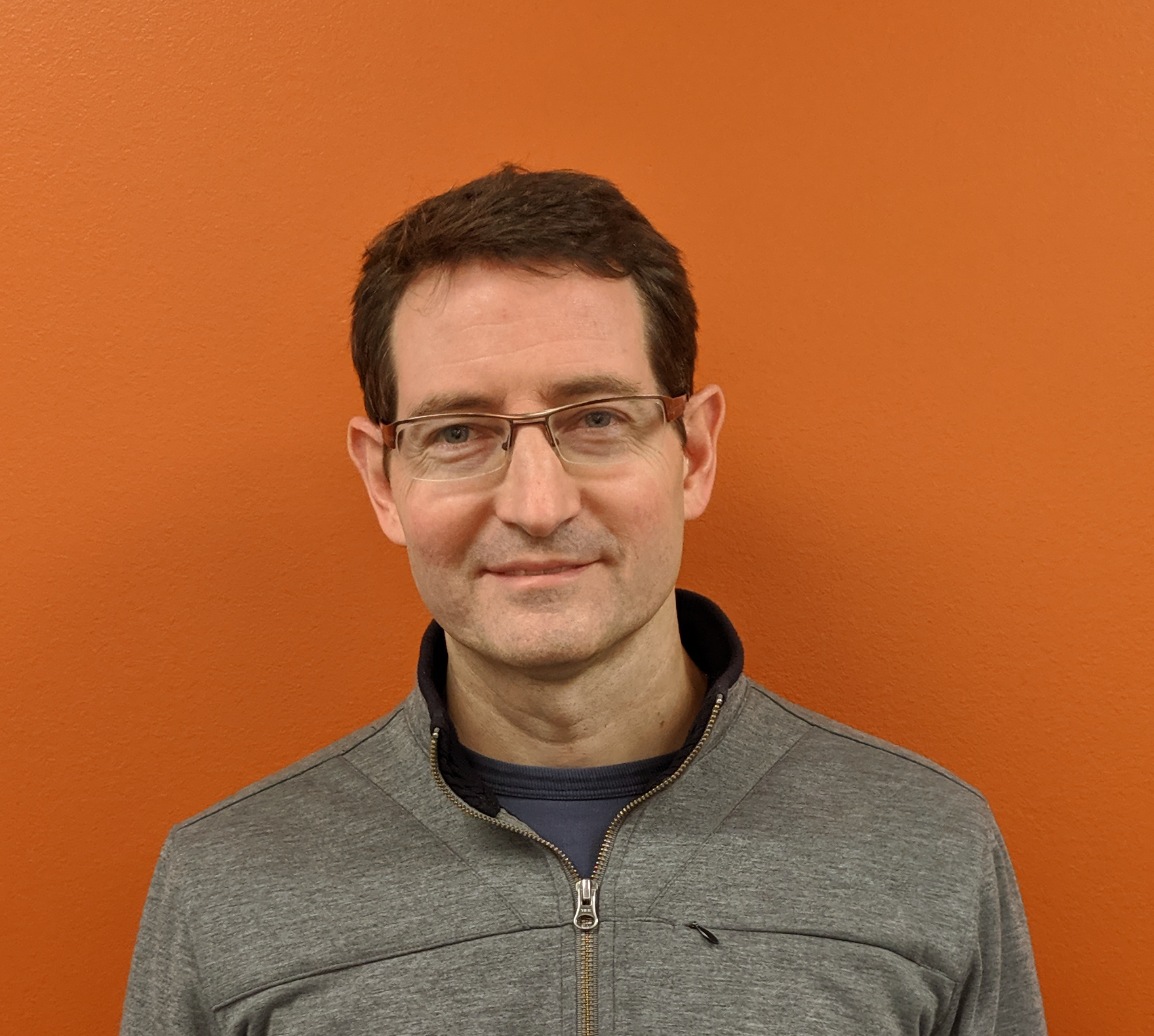 Tad George, PhD, Senior Vice President, Biology Research & Development, RareCyte, Inc.
Senior Vice President
RareCyte, Inc.Tad has over 15 years of startup experience dedicated to creating scientific markets for novel instrumentation platforms that span basic research, drug discovery, and clinical applications. Prior to joining RareCyte, Tad has held positions at Biodesy, Inc. and DVS Sciences, and was Director of Biology at Amnis Corporation.
 Josh Gibson, Senior Physicist, Physics and Sensors, Cambridge Consultants, Medical Technology, Cambridge Consultants Ltd
Senior Physicist, Physics and Sensors, Cambridge Consultants
Cambridge Consultants LtdJosh Gibson (MPhys) is a senior physicist at Cambridge Consultants with a passion for developing technologies which pair physics with biology. With a background in optics, microfluidics and data analysis, Josh has prototyped diagnostic hardware, patented process validation equipment for cell therapy manufacture and developed an innovative optical system for DNA analysis. Over the past nine months he has led a team of scientists and engineers to develop CellPreserve, a platform to enable longitudinal live cell testing.
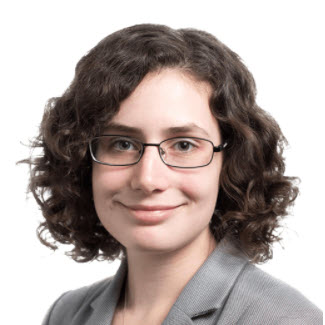 Coryandar Gilvary, PhD, CoFounder & Chief Data Scientist, R&D, OneThree Biotech
CoFounder & Chief Data Scientist
OneThree BiotechCoryandar (Cory) Gilvary obtained her PhD from Weill Cornell under the direction of Olivier Elemento, where she completed her PhD in record time (~ 3 years). At Weill Cornell her research focused on developing new machine learning techniques for drug development spanning different disease areas such as cancer, diabetes and Parkinson’s disease.
Outside of her biological research, she spent time developing cutting edge machine learning models at one of the world’s leading quantitative hedge funds.
Currently, Cory leads OneThree’s data science and computational biology efforts and much of her early research work formed the core OneThree platform. She has spearheaded OneThree’s unique approach of combining distinct types of noisy, high-throughput data to maximize algorithmic performance, while also building interpretable models that allow for a deeper mechanistic insight to the mode of action of therapeutics. At the beginning of 2020, she spearheaded OneThree’s internal efforts to provide free toxicity screening to any researchers working on treatment for COVID-19.
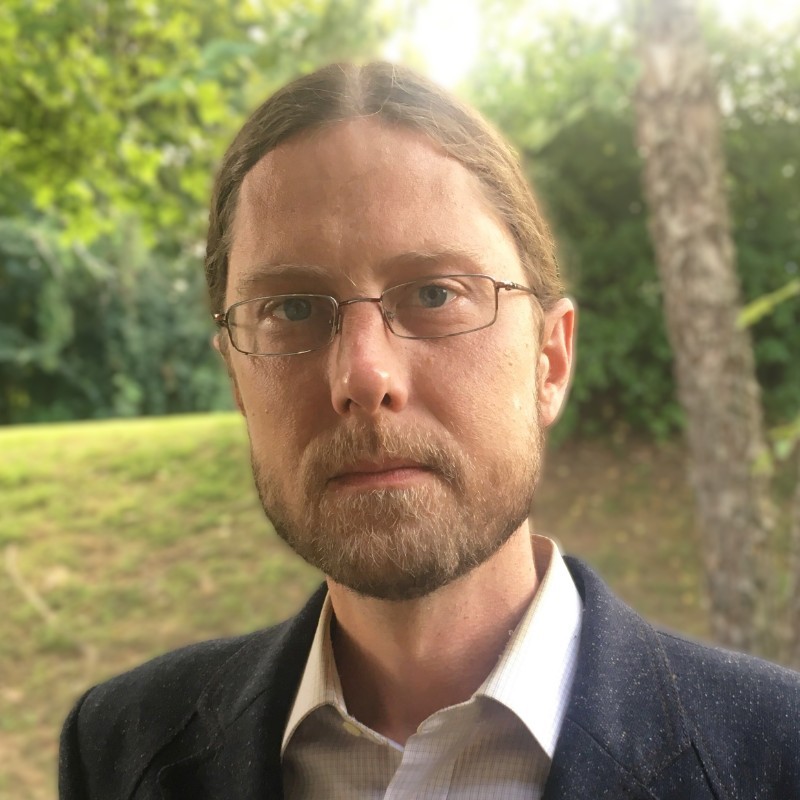 Mark Gramling, PhD, Director, Oncology, Larvol
Director
LarvolAs a researcher, Dr. Gramling has examined pathways ranging from coagulation factors in breast cancer to modulators of Ras and Myc signaling in lymphoma. With Larvol, he has focused on building software tools in areas ranging from study start-up and post-marketing studies to benefits management and pharmaceutical competitive intelligence.
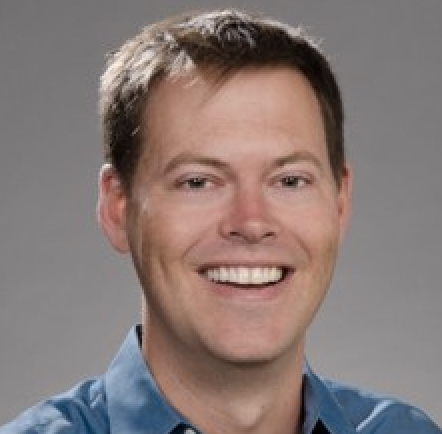 Alex Greninger, MD, PhD, Assistant Professor, Laboratory Medicine, University of Washington
Assistant Professor
Univ of WashingtonAlex Greninger is an assistant professor of laboratory medicine and associate director of the clinical virology laboratory at the University of Washington. He received a BS and MS in Biological Sciences and a BA in International Relations from Stanford University, an MPhil in Epidemiology at Cambridge University, and his MD and PhD from the University of California San Francisco, followed by a residency in clinical pathology at the University of Washington. His work generally involves genomically-informed approaches to understanding a variety of infectious diseases.
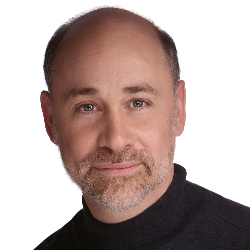 Robert Grossman, PhD, Frederick H. Rawson Distinguished Service Professor in Medicine and Computer Science; Director, The Jim and Karen Frank Center for Translational Data Science, University of Chicago
Professor
University of ChicagoRobert L. Grossman, PhD, is the Frederick H. Rawson Distinguished Service Professor in Medicine and Computer Science and the Jim and Karen Frank Director of the Center for Translational Data Science at the University of Chicago. He has served as the chief research informatics officer of the Biological Sciences Division at the University of Chicago since 2011 and is the Co-Chief in the Section of Computational Biomedicine and Biomedical Data Science in the Department of Medicine. He is also the chair of the Open Commons Consortium (OCC), an independent not-for-profit that develops and operates data commons to support research in science, medicine, health care, and the environment.
 Sanjay Gurunathan, MD, Vice President and Head, Global Clinical Department, Sanofi Pasteur
Head & VP Global Clinical Dev
Sanofi PasteurDr. Gurunathan is a physician scientist with 20 years of global vaccine development experience at Sanofi Pasteur with the primary responsibility to ensure the effective, timely, and robust design and management of Sanofi Pasteur’s clinical programs. He manages a team of 40 physicians/PhDs located worldwide by providing medical and scientific leadership and overseeing Phase I - III clinical trial activities for novel vaccine targets, as well as supporting vaccine life cycle management and epidemiologic activities worldwide. He has a strong background of overall Sanofi Pasteur business and strategic objectives and R&D strategy with the ability to translate this strategy to Clinical R&D. In addition, Dr. Gurunathan plays a key ambassadorial role by representing the company within the medical research community through involvement in international scientific meetings and through professional publications.
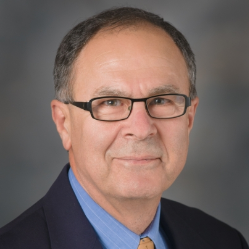 Sam Hanash, MD, PhD, Director, Red & Charline McCombs Institute; Evelyn & Sol Rubenstein Distinguished Chair, Cancer Prevention; Professor, Clinical Cancer Prevention-Research, Translational Molecular Pathology, University of Texas MD Anderson Cancer Center
Director, Red & Charline McCombs Institute; Evelyn & Sol Rubenstein Distinguished Chair, Cancer Prevention; Professor, Clinical Cancer Prevention-Research
University of Texas MD Anderson Cancer CenterDr. Hanash was recruited to MD Anderson Cancer Center in 2011 to lead the Red and Charline McCombs Institute for Cancer Early Detection and Treatment. He was previously program head for Molecular Diagnosis at the Fred Hutchinson Cancer Research Center. Dr. Hanash’s interest and expertise are in the field of cancer diagnostics and the development of blood-based cancer biomarkers for risk assessment and cancer early detection. He is the inaugural president of the International Human Proteome Organization dedicated to the study of the human proteome, and a founder of the US Human Proteome Organization. Dr. Hanash’s approaches to meet the challenge of developing markers that signal the presence of cancer at an early stage to allow detection and effective treatment have included a rigorous painstaking in-depth quantitative profiling of the various types of molecules in the blood to find those that are released early either from the cancer cells or from the host response to the developing cancer. The work emphasizes the need for rigor in experimental design, in data collection and statistical analysis and in developing a mechanistic understanding of the relationship between the identified cancer markers and the developing cancer. This work has sparked innovation in experimental design and statistical analysis of biomarker data aimed at minimizing biases in discovery studies through prospective sample collections that relate most directly to the intended clinical application(s) and at reducing the false discovery rate through integration of data from multiple sources to increase confidence in the significance of the markers.
 Glen Hansen, PhD, Director, Clinical Microbiology and Molecular Diagnostics, Hennepin County Medical Center
Director
Hennepin County Medical CenterDr. Hansen is a microbiologist specializing in microbiology and molecular diagnostics (MDx). His post-doc education includes a fellowship in MDx from NYU and PHRI and a fellowship in clinical microbiology and public health at UW. He is currently the medical director of microbiology and MDx at Hennepin County Medical Center and an associate professor in the departments of Pathology & Lab Medicine, and Infectious Diseases Medicine at University of Minnesota.
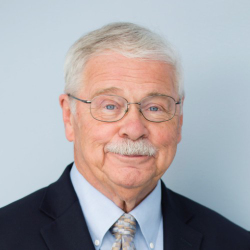 Michael J. Heller, PhD, Professor Emeritus/Recall, University of California, San Diego
Prof Emeritus
University of California San DiegoMichael J. Heller: PhD, Biochemistry, Colorado State University 1973; NIH Postdoctoral Fellow, Northwestern University; Supervisor DNA Technology Amoco, 1976-1984; Director Molecular Biology, Molecular Biosystems,1984-1987; Co-Founder/President, Integrated DNA Technologies,1987-1989; Co-Founder/CTO, Nanogen, 1993-2001; Professor, Departments of Nanoengineering and Bioengineering at the University California San Diego (2001–Present). Distinguished Scientist at Knight Cancer Center/CEDAR/OHSU (2017-Present). Work includes development of liquid biopsy cancer diagnostics and early detection. Has over 100 publications and 60 issued US patents in the biotechnology, diagnostics and nanotechnology areas.
 Fred Hirsch, MD, PhD, Executive Director, Center for Thoracic Oncology, Tisch Cancer Center; Professor, Medicine and Pathology, Icahn School of Medicine, Mount Sinai NY
Lowe & Price Prof of Medicine & Exec Dir
Icahn School of Medicine at Mount SinaiFred R. Hirsch MD, PhD, is currently the Executive Director at the Center for Thoracic Oncology at Mount Sinai Health Systems. He also serves as a Professor of Medicine at the Icahn School of Medicine, as well as an Associate Director of the Tisch Cancer Institute. Prior to this arrival at MSHS, Dr. Hirsch was a Professor of Pathology at the University of Colorado for 18 years and CEO to the International Association for the Study of Lung Cancer for 5 years. He has been the recipient of awards and honors, including the IASLC Mary Matthews Award for Translational Research in Lung Cancer in 2007; the Japanese Lung Cancer Society Merit Award in 2010; the Addario Foundation Lecture Award in 2015; the Joe Lowe, and Louis Price Endowed Chair in Cancer Research at the Icahn School of Medicine in 2018, and the Wuan Ki Hong Lectureship Award in 2019. Dr. Hirsch has contributed to over 400 publications in peer reviewed journals. He continues to lead research efforts as well as new research in various laboratories in the study of lung cancer.
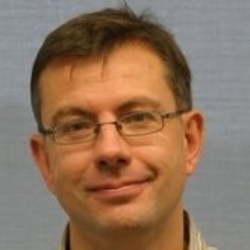 Darren Hodgson, PhD, Global Project Leader & Head of Strategy for Translational Medicine, AstraZeneca
Global Project Leader & Head of Strategy
AstraZeneca PharmaceuticalsDarren is Global Project Leader and Head of Strategy, Translational Medicine, Oncology, AstraZeneca having previously had positions in global medicine development, academia, biotechnology, and diagnostics sectors. Darren has over 10 years’ experience as leader or core member of a multi-functional global product team and has been responsible for strategy, internal and external assay development, clinical deployment, and regulatory representation for biomarkers used as primary, secondary, and exploratory objectives of clinical studies in all stages of drug development. Darren was the translational lead for Lynparza, which is AstraZeneca’s first in class PARP inhibitor approved in 2014 and is the author of numerous reviews, original patents and papers.
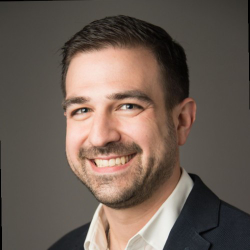 Kenneth C. Hohmeier, PharmD, Associate Professor, Director of Community Affairs, PGY-1 Community-Based Pharmacy Residency Program, The University of Tennessee Health Science Center
Assoc Prof Clinical Pharmacy & Dir
Univ of Tennessee MemphisKenneth C. Hohmeier, PharmD is an Associate Professor & Director of Community Affairs in the Department of Clinical Pharmacy and Translational Science at the University of Tennessee Health Science Center. Dr. Hohmeier has an extensive background in pharmacy practice and practice-based and implementation science research, including post-graduate residency training in community pharmacy, credentials in lean six sigma, implementation science, the Innovator’s DNA, and change leadership. He has successfully established and provided clinical pharmacist services within several community pharmacy settings in a wide variety of rural, suburban, and urban locations. His background also includes extensive leadership experience both in practice and within professional organizations, with past and current positions held at local, regional, and national levels including the American Pharmacists Association, Ohio Pharmacists Association, and Tennessee Public Health Association. His specific areas of research focus are in clinical service implementation in community pharmacy settings, medication therapy management (MTM), and innovative clinical pharmacy practice models. He has served as Primary Investigator (PI) or Co-PI on over 15 grant-funded projects advancing the role of the community pharmacist to increase patient care activities, such as vaccinations, MTM, and other clinical services.
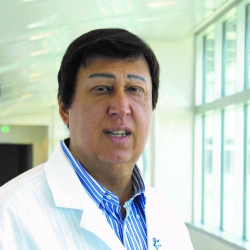 Dave S. B. Hoon, PhD, Director, Translational Molecular Medicine and Genome Sequencing, Saint John's Cancer Institute
Director
Saint John's Cancer InstituteDave SB Hoon is Professor, Director of Translational Research at John Wayne Cancer Institute (JWCI), Providence Health System. He is director of Depts of Translational Molecular Medicine and Sequencing Center. Dr. Hoon was a founding member of JWCI in 1991 and has been a pioneer of molecular blood biopsies since the early nineties. He has published over 400 publications mainly on translational molecular cancer research. Has published on the utility of various types of cell-free circulating nucleic acids(cfNA) in different cancer types involving multiple clinical settings and phases of clinical trials. Over the years has developed various types of assays to assess different forms of cfNAs and their utility in early and advanced stages of solid tumor cancers. Advisor of cfNA pharmabiotechs.
 Peter Hotez, MD, PhD, FASTMH, FAAP, Dean, National School of Tropical Medicine; Professor, Departments of Pediatrics, Molecular Virology & Microbiology; Co-Head, Section of Pediatric Tropical Medicine; Health Policy Scholar, Baylor College of Medicine
Prof & Dean
Baylor College of MedicinePeter J. Hotez, MD, PhD is Dean of the National School of Tropical Medicine and Professor of Pediatrics and Molecular Virology & Microbiology at Baylor College of Medicine where he is also the Director of the Texas Children’s Center for Vaccine Development (CVD) and Texas Children’s Hospital Endowed Chair of Tropical Pediatrics. He is also University Professor at Baylor University, Fellow in Disease and Poverty at the James A Baker III Institute for Public Policy, Senior Fellow at the Scowcroft Institute of International Affairs at Texas A&M University, Faculty Fellow with the Hagler Institute for Advanced Studies at Texas A&M University, and Health Policy Scholar in the Baylor Center for Medical Ethics and Health Policy. Dr. Hotez is an internationally recognized physician-scientist in neglected tropical diseases and vaccine development. As head of the Texas Children’s CVD, he leads a team and product development partnership for developing new vaccines for hookworm infection, schistosomiasis, leishmaniasis, Chagas disease, and SARS/MERS/SARS-2 coronavirus, diseases affecting hundreds of millions of children and adults worldwide, while championing access to vaccines globally and in the United States.
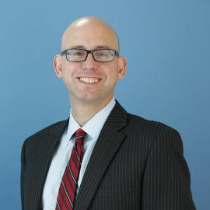 Paul C Howard, Head of Public Policy, Amicus Therapeutics
Director of Public Policy
Amicus TherapeuticsPaul Howard is Director of Public Policy at Amicus Therapeutics, where he is responsible for ensuring consistent and appropriate implementation of overarching public policy initiatives and messages that help shape the legislative, reimbursement, and regulatory environment for the development and marketing of products for the treatment of rare and genomic disorders. Previously, he was Senior Advisor to the Commissioner of the U.S. Food and Drug Administration on regulatory policy, strategic innovation initiatives, and promoting competition to efficiently advance public health and safety. He was also Chief Strategy Officer, Information Exchange and Data Transformation (INFORMED) Program where worked with FDA leadership to develop and implement a sustainable and agile strategic plan to address the needs of agency staff in an ever-evolving digital health landscape. Prior to joining the U.S. FDA, he was a Senior Fellow and Director of Health Policy at the Manhattan Institute, where he led the Institute's health policy team and wrote on a wide variety of medical-policy issues, including FDA modernization, biopharmaceutical innovation, consumer-driven health care, and Medicare and Medicaid reform.
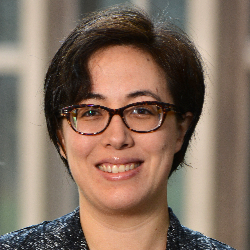 Emma Huang, PhD, Director, Data Sciences External Innovation, California Innovation Center, Johnson & Johnson
Director of Data Sciences External Innovation at the California Innovation Center
Johnson & JohnsonBevan Emma Huang, PhD, is the Director of Data Sciences External Innovation at the California Innovation Center, where she sources, evaluates, and facilitates external partnering opportunities in data sciences across all sectors of Johnson & Johnson. She also serves as J&J Program Co-Director of the Innovate for Health Initiative with UCSF and UC Berkeley, which aims to positively impact healthcare through cutting-edge research enabled by data science. Prior to joining J&J Innovation, she led Population Analytics in Janssen Research & Development from 2015-2018. Her group helped to develop and support precision medicine initiatives through integrating multiple data modalities such as omics, sensors, and electronic health records for risk prediction, target and biomarker discovery. From 2007-2015, Emma held positions at the Commonwealth Scientific and Industrial Research Organization (CSIRO) in Brisbane, Australia, where she received the CSIRO Julius Career Award from 2011-2014, and an Australian Research Council DECRA grant from 2012-2015. Emma received her BS in Mathematics from the California Institute of Technology, and her PhD in Biostatistics from the University of North Carolina at Chapel Hill, where she focused on development of methods for statistical genetics in population-based studies.
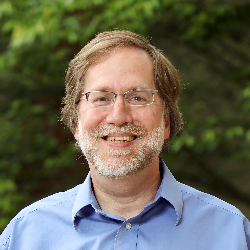 Daniel A. Jacobson, PhD, Chief Scientist, Computational Systems Biology, Oak Ridge National Laboratory
Chief Scientist
Oak Ridge Natl LabDan's research focuses on understanding the complex sets of interactions of molecules of all types (across all omics layers) in cells that lead to phenotypes, traits and disease states in organisms and how all of that is conditional on the surrounding environment. His research team applies these approaches to grand challenges in bioenergy, sustainable agriculture, ecosystems and human health (and the intersections among those areas). Dan's lab is doing a range of research to address the COVID-19 pandemic, including studies of the molecular evolution and pathogenic elements of coronaviruses, molecular mechanisms for human pathogenesis (and identification of potential new therapies), environmental variables that affect COVID-19 disease outcomes and the prediction and prevention of future zoonotic spillovers/pandemics. Dan’s team was the first group to break the Exascale barrier and is happy to have done so for a biology project. At present, this (2.41 Exaops) calculation is the fastest scientific calculation ever done anywhere in the world. This project led to his team being awarded the 2018 Gordon Bell Prize (the first ever for Systems Biology). Dan’s career as a computational systems biologist has included leadership roles in academic, corporate, NGO and national lab settings.
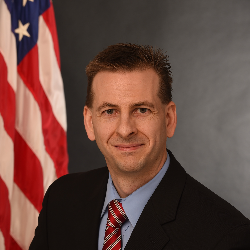 Robert A. Johnson, PhD, Influenza Director, Biomedical Advanced R&D Authority, US Department of Health & Human Services
Influenza Dir
US Dept of Health & Human SvcsRobert Johnson, PhD, is the Director of the Influenza and Emerging Infectious Diseases Division of Biomedical Advanced Research and Development Authority (BARDA), a component of the Office of the Assistant Secretary for Preparedness and Response within the U.S. Department of Health and Human Services. The Division is charged with the advanced development and procurement of medical countermeasures (MCMs) to prepare and respond to pandemic influenza and emerging infectious diseases (EIDs). In January 2020, Dr. Johnson was named BARDA’s Incident Commander for the COVID-19 Response and has been responsible for designing, leading and building out BARDA’s COVID-19 Portfolio across the therapeutic and vaccine investment areas during the pandemic.
Before joining BARDA, Dr. Johnson served for fourteen years in positions of increasing responsibility at the Division of Microbiology and Infectious Diseases (DMID) within the National Institute of Allergy and Infectious Diseases, National Institutes of Health. After leading the MVA smallpox vaccine development program through transition to BARDA for advanced development, he subsequently served as the Director of the Office of Regulatory Affairs. In this role, Dr. Johnson focused on licensure pathways for biodefense and EID vaccines and therapeutics, held leadership roles in DMID’s responses to influenza and other EID outbreaks, and served as scientific lead for clinical trials of Ebola and yellow fever vaccines. In parallel, as the Acting Director for the Office of Clinical Research Resources, Dr. Johnson oversaw clinical trial networks responsible for Phase I-IV testing of vaccines, therapeutics, and diagnostics.
Dr. Johnson previously held positions as a Principal Scientist at Dynport Vaccine Company, as well as a Senior Regulatory Manager at Otsuka Pharmaceuticals. He has served as a technical expert to other organizations working in the biodefense and public health sectors, including the Food and Drug Administration and Department of Defense, as well as the World Health Organization.
Dr. Johnson received his PhD in Microbiology and Immunology from The University of North Carolina, and a BS in Microbiology and a BS in Molecular Biology and Biochemistry, both from the University of Idaho.
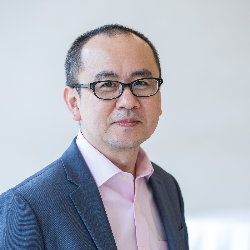 Masayuki Kanai, PhD, Director & Global Companion Diagnostics Leader, Clinical Biomarkers & Translational Science, Daiichi Sankyo Inc.
Dir & Global Companion Diagnostics Leader
Daiichi Sankyo IncMasayuki Kanai, PhD, is the Director, Global Companion Diagnostics Leader at Daiichi Sankyo, Inc. in Basking Ridge, NJ. Before Daiichi Sankyo, he was in Merck Oncology Medical Affairs, where he served as both Global Biomarker and Diagnostics Leader and Japan Regional Biomarker and Diagnostics Leader. Prior to this Masayuki served as Head of Immuno-Oncology Medical Affairs and MSL Manager at Merck Serono in Japan. Prior to this he spent two years as the Japan Correlative Science Leader and Group Manager of Correlative Science group in Japan regulatory affairs at Novartis Oncology. In this role, he was responsible for planning and executing the Biomarker and Companion Diagnostic strategy for oncology assets in Japan. He has also worked at AbbVie Japan in the Early Strategic Planning group.
Masayuki received his PhD in Medical Science from University of Tsukuba, Japan. Following his PhD, he has done research as a Postdoctoral Fellow, Research Scientist and Research Associate for ten years at University of Cincinnati, Moffit Cancer Center and Memorial Sloan Kettering Cancer Center in the US.
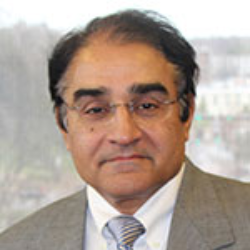 Krishna Kandarpa, MD, PhD, Director of Research Sciences and Strategic Directions, National Institute of Biomedical Imaging and Bioengineering (NIBIB)
Director of Research Sciences and Strategic Directions
National Institute of Biomedical Imaging and Bioengineering (NIBIB)Krishna Kandarpa, M.D., Ph.D., is a cardiovascular and interventional radiologist, who is Director of Research Sciences and Strategic Directions at NIBIB/NIH.
Most recently, he was Chief Medical Officer/Chief Scientific Officer/EVP-R&D at Delcath Systems, Inc., New York, NY, which markets a combination device/drug treatment for cancers in the liver.
Prior to this, he was tenured Professor and Chair of the Department of Radiology at the University of Massachusetts Medical School and Radiologist-in-Chief at the UMass Memorial Medical Center. Earlier, he was at the Weill Medical College of Cornell University, where he was a Professor of Radiology and Chief of Service and Director of the Division of Cardiovascular & Interventional Radiology at The New York Presbyterian Hospital (Cornell), when he simultaneously held an adjunct professorship at the College of Physicians and Surgeons of Columbia University.
He embarked on his academic career at Harvard Medical School and was an Associate Professor of Radiology, co-director of Cardiovascular & Interventional Radiology and the Vascular Center, at the Brigham and Women’s Hospital, Boston, MA. While there, he was also on the faculty of the Harvard-Massachusetts Institute of Technology Health Sciences and Technology Program.
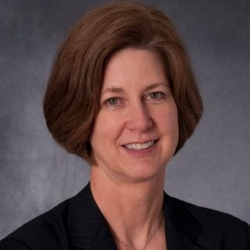 Karen Kaul MD, PhD, Chair, Department of Pathology and Laboratory Medicine; Duckworth Family Chair, NorthShore University HealthSystem; Clinical Professor, Pathology, University of Chicago Pritzker School of Medicine
Chair
NorthShore Univ HealthSystemDr. Karen Kaul is board-certified in Anatomic and Molecular Genetic Pathology and established one of the earliest Molecular Diagnostics laboratories in the US. She has been significantly involved in education, quality, and standardization of the practice of molecular pathology, the lab basis for personalized medicine. She served as President of the Association for Molecular Pathology, Editor of the Journal of Molecular Diagnostics, and in 2008 received the Association for Molecular Pathology Leadership Award. She is a Trustee of the American Board of Pathology, serving in numerous roles related to physician training and certification. As departmental chair, she has led efforts to improve laboratory efficiency and utilization, and maximize the impact of the laboratory on clinical care. She continues to practice and advocate for Molecular Pathology, and Pathology and Laboratory Medicine in general.
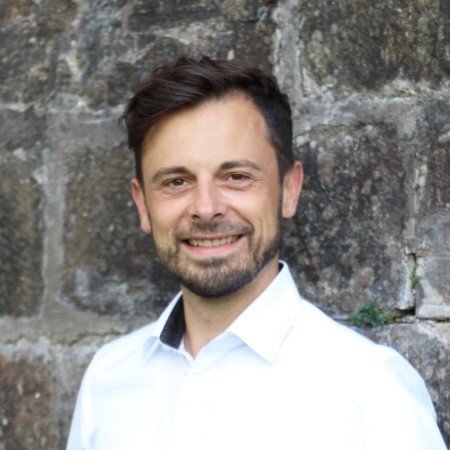 Ronny Kellner, Dr., Senior Scientist, dPCR Assay Development, dPCR Assay Development, Qiagen
Senior Scientist, dPCR Assay Development
QiagenDr. Ronny Kellner studied biology at the Eberhard Karls University in Tübingen. He completed his PhD in the field of molecular plant-pathogen interaction at the MPI for Terrestrial Microbiology in Marburg and the Ruhr-University of Bochum. After several international projects in Germany and the UK focusing on microbiology, molecular biology and NGS data analysis, he joined QIAGEN in August 2020. Since then, he has been involved in developing the digital PCR assay portfolio.
Faisal M Khan, PhD, Vice President, AI & Analytics
Vice President AI & Analytics
Novo Nordisk IncFaisal M. Khan, Ph.D. is the Corporate Vice President for Artificial Intelligence and Analytics at Novo Nordisk. His team focuses on the applications of AI and data science throughout the drug development lifecycle. His interests focus on the intersections of data science, digital health, biostatistics, bioimaging, personalized medicine, and healthcare delivery. His career has encompassed all aspects of healthcare and biomedical analytics, including diagnostics, devices, clinical trials/therapeutics, and payers/insurance. Dr. Khan has worked or consulted across academia and industry with both startups and Fortune-50 companies. He has over 100 published papers, abstracts, and patents on the applications of machine learning and artificial intelligence for healthcare and the life sciences.
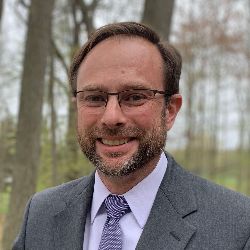 Michael E. Klepser, PharmD, FCCP, FIDP, Professor, Ferris State University College of Pharmacy
Prof
Ferris State UnivDr. Klepser received his Doctor of Pharmacy from the University of Michigan College of Pharmacy. Subsequently he completed a pharmacy practice residency at Detroit Receiving Hospital and University Health Center and a fellowship in Infectious Diseases at Hartford Hospital in Hartford, Connecticut. Dr. Klepser is currently a Professor of Pharmacy at Ferris State University since 2001. Dr. Klepser’s well-known for his work surrounding use of CLIA-waived point-of-care tests in community pharmacies and community-based antimicrobial stewardship. He has published extensively on these topics and has more than 130 peer-reviewed manuscripts to his credit. Dr. Klepser is a founder and content advisor for the “Community Pharmacy-Based Point-of-Care Testing†certificate program and Vice President of POC Consultants.
 Donald G. Klepser, PhD, MBA, Professor and Senior Associate Dean for Academic Affairs, College of Pharmacy, University of Nebraska Medical Center
Professor
University of NebraskaDonald Klepser is Professor of Pharmacy Practice and Science and Senior Associate Dean for Academic Affairs at the University of Nebraska Medical Center, College of Pharmacy. He has a PhD in Pharmaceutical Socioeconomics from the University of Iowa, an MBA from the University of Minnesota’s Carlson School of Management, and a Bachelor’s degree in Communications from the University of Michigan. He has studied the use of POC testing in community pharmacies for the past 13 years and is currently the primary investigator on grants to develop community pharmacy practice models for managing diseases such as COVID-19, RSV, HIV, HCV, influenza, and group A Streptococcus. He is also the primary investigator on grants to validate and implement point-of-care tests in pharmacy settings. As President of POC Consultants, Inc., Dr. Klepser has served as a consultant to both retail pharmacy chains and diagnostic testing companies.
 Gerald Kost, MD, PhD, MS, FAACC, Director, Point-of-Care Testing Center for Teaching and Research (POCT•CTR), University of California, Davis
Director
University of California, Davis
 Peter Kuhn, PhD, Director, USC Michelson CSI-Cancer; Dean’s Professor of Biological Sciences; Professor of Biological Sciences, Medicine, Biomedical Engineering, and Aerospace and Mechanical Engineering, University of Southern California
Director, USC Michelson CSI-Cancer; Dean’s Professor of Biological Sciences; Professor of Biological Sciences, Medicine
University of Southern CaliforniaPeter Kuhn is a scientist and entrepreneur with a career long commitment in personalized medicine and individualized patient care. He is focused on the redesign of cancer care. Kuhn’s research team in physics oncology has discovered new ways of how cancer spreads to the human body and is using those breakthroughs to impact patient care. Dr. Kuhn is the Dean’s Professor of Biological Sciences and Professor of Medicine and Engineering at USC, a founding member of the Michelson Center for Convergent Biosciences, a co-founder of The USC Michelson Center for Convergent Bioscience Bridge Institute and director of the Southern California Physics Oncology Center. Dr. Kuhn is a physicist who trained initially at the Julius Maximilians Universität Würzburg, Germany, before receiving his Masters in Physics at the University of Albany, Albany, NY in 1993 and his PhD in 1995. He then moved to Stanford University where he later joined the faculties of Medicine and Accelerator Physics. From 2002 to 2014, he established a translational science program at The Scripps Research Institute in La Jolla, CA bringing together over forty scientists from basic, engineering and medical sciences to work on understanding the spread of cancer in the human body. He has published over 200 peer-reviewed scientific articles and patents as a result of his research. He founded Epic Sciences, Inc. in 2009 to develop cancer diagnostic products. Today Epic Sciences is a premier partner to most pharmaceutical and biotech companies in the development of precision companion diagnostics for cancer care.
 Razelle Kurzrock, MD, Professor, Medicine, Associate Director, Clinical Research, Linda T. and John A. Mellowes Endowed Chair of Precision Oncology, Medical College of Wisconsin; CMO, Worldwide Innovative Network (WIN) for Personalized Cancer Therapy
Professor
Medical College of WisconsinRazelle Kurzrock, MD is a world-renowned physician-scientist leader in precision medicine as well as in the development of novel therapeutics in the field of oncology. She is recognized for founding, developing and chairing one of the largest Phase 1 clinical trial departments globally while at the University of Texas MD Anderson Cancer Center; the central theme of the department was a personalized medicine strategy. She is also one of the pioneering trialists of the WINTHER precision medicine trial focusing, for the first time, on transcriptomics in addition to genomics. This trial was the signature study of the WIN international consortium (Nature Medicine).
During her time at the University of California San Diego Health, Dr. Kurzrock’s charge was founding and leading the Center for Personalized Cancer Therapy as well as the Experimental Therapeutics program, and she also founded a Rare Tumor Clinic focused on precision medicine. The signature study of the center was the IPREDICT study (Nature Medicine, 2019) that gave, for the first time, individualized N-of-1 matched combination therapies to patients with lethal malignancies, hence resulting in improved outcomes.
Dr. Kurzrock is also an entrepreneur. She is co-founder of CureMatch, and on the Board of both CureMetrix and CureMatch.
Dr. Kurzrock has over 950 publications on Pubmed, an H-index of 146, and has been named yearly to the list of most cited scientists worldwide.
She has four children and three dogs and lives with her husband Dr. Philip Cohen, in San Diego, California.
 Felicitas L. Lacbawan, Vice President/Executive Medical Director, Advanced Diagnostics, Quest Diagnostics Nichols Institute
Vice President/ Executive Medical Director
Quest Diagnostics Nichols InstituteDr. Lacbawan leads the medical, scientific and laboratory directors in Molecular, Biochemical, Cytogenetics and Genomics, Molecular Oncology/Hematopathology, Variant Annotation (VarIQTM), and Bioinformatics. With the unique combination of her academic, clinical and research experiences in genetics and genomics for more than 20 years, she has been instrumental in the transformational changes of Advanced Diagnostics at Quest Diagnostics. She holds board certification in Molecular Genetic Pathology, Clinical Genetics, Anatomic and Clinical Pathology. She served as a faculty member in various medical institutions with highest rank of Clinical Professor; held various leadership positions at the Cleveland Clinic, NHGRI-NIH, Children's National Medical Center, GWU-SMHS, SUNY-Downstate, and Georgetown University Medical Center, and established two other CLIA/NYS-accredited molecular genetics and pathology laboratories. She also practiced clinical genetics in the Washington, DC area while on an NIH interagency agreement and served in expert panels in the CAP, ACMGG, CDC, CLSI, and NCI-NIH Think Tank, among others.
 Rebecca Leary, PhD, Lab Head, Next Generation Diagnostics, Novartis Institutes for BioMedical Research
Lab Head
Novartis Institutes for BioMedical Research IncRebecca joined the Novartis Institutes for Biomedical Research (NIBR) in 2013 following doctoral and post-doctoral research in the Ludwig Center for Cancer Genetics and Therapeutics at Johns Hopkins School of Medicine. At NIBR, she leads the Next Generation Diagnostics lab to bring cutting edge technologies to exploratory biomarker studies as part of Oncology Translational Research.
 Hakho Lee, PhD, Associate Professor, Radiology, Harvard Medical School; Director, Biomedical Engineering Program, Center for Systems Biology, Massachusetts General Hospital
Associate Professor and Hostetter MGH Scholar
Massachusetts General HospitalDr. Lee has extensive experience in nanomaterials, biophysics, microfluidics, and electrical engineering. His research focuses on developing novel biomedical sensors for clinical applications. Dr. Lee’s group also pioneered new analytical technologies for EV characterization, including nPLEX (nanoplasmonic exosome), iMEX (integrated magneto-electrochemical exosome), iMER (integrated magnetic exosomal RNA), and SEA (single EV analysis).
 Eunice Lee, PhD, Vice President, Global Regulatory Affairs, Guardant Health
Vice President
Guardant HealthEunice Lee is currently at Guardant Health. She provides strategic guidance to support the product portfolio and engages on regulatory policy issues. Before joining Guardant Health, Eunice was Executive Director at Merck, where she oversaw the Regulatory Affairs Companion Diagnostics team. Prior to that, she was at the FDA in CDRH as Chief of the Molecular Pathology and Cytology Branch and a Senior Scientific Reviewer in the Office of In Vitro Diagnostics and Radiological Health; and in the Office of the Commissioner as a Senior Advisor in the Office of Combination Products. She was also a Scientist at the National Cancer Institute at NIH. Eunice earned an A.B. from Bryn Mawr College and a Ph.D. from MIT and completed a post-doctoral fellowship at Stanford University.
 Mark J. Lee, PhD, Assistant Professor & Assistant Director, DUHS Clinical Microbiology Labs, Duke University
Asst Prof & Asst Dir
Duke UnivMark Lee completed his PhD in Microbiology & Immunology at McGill University, and completed a clinical microbiology fellowship at UCLA. He was the Director of Molecular Diagnostics at the NYS Department of Health Wadsworth Center, and then transitioned to LabCorp as the Technical Director of Microbiology for the MidAmerica Division. He is currently the Assistant Director of Microbiology at Duke University Health System where, among others, is the section head of molecular microbiology. He is actively engaged in research in the areas of molecular diagnostics, method comparisons and evaluation of platforms, and test utilization. In the current SARS-CoV-2 pandemic, Mark and his team has brought on multiple diagnostic platforms and is performing thousands of COVID-19 tests a week to meet the needs of the Duke University Health System. He is actively involved in discussions around COVID-19 diagnostics, and currently serves as a member of the Infectious Diseases Society of America (IDSA) expert panel in COVID-19 Diagnostics. He is also a co-author on several COVID-19 publications.
 Lauren Levy, Senior Biopharma Business Development Manager, Burning Rock Dx
Senior Biopharma Business Development Manager
Burning Rock DxDr. Lauren Levy is a MD/ MBA and a MD graduate from the world class research institution Technion Institute of Technology. Her interest is in cell biology and oncology. She completed post graduate training in pathology in Haifa, Israel, and has worked for the Presidential Commission on Systemic Interoperability at the NIH. This commission was commissioned by President George Bush and Congress in 2007.
Tom Li, Head, Global Biopharma Business Development, Burning Rock Dx
Head
Burning Rock Dx
Klaus Lindpainter, InterVenn
InterVenn
 W. Ian Lipkin, MD, Director, Center for Infection and Immunity, Columbia University
Director
Columbia UnivW. Ian Lipkin, MD is internationally recognized for his contributions to global public health through the innovative methods he developed for infectious diseases diagnosis, surveillance, and discovery. Most notably, he had the first use of subtractive cloning in microbial discovery, the first use of next generation sequencing for investigating outbreaks, and developed gene capture technologies including VirCapSeq-VERT and BacCapSeq as well as multiplexed serological assays to detect vector-borne diseases. These advances have been critical in replacing culture-dependent methods of global health management by creating new criteria for disease causation and de-linking spurious associations between putative agents and diseases. Such examples include refuting the MMR vaccine having a role in autism and XMRV in ME/CFS. Lipkin has been at the forefront of outbreak response to many of the world’s recent outbreaks, including West Nile Virus in NYC (1999), SARS in China (2003), MERS in Saudi Arabia (2012-16), Zika in the US (2016), encephalitis in India (2017), and COVID-19 (2020). He promotes public health awareness via print and broadcast media and also served as the scientific advisor for the Soderbergh film “Contagion.†Some of his most prestigious honors include Pew Scholar (Biomedical Sciences), Walter Reed Distinguished Lecturer, the Drexel Prize in Translational Medicine, the Mendel Medal (Villanova University), the International Science and Technology Cooperation Award of the Peoples Republic of China, and a recipient of an award of appreciation given by the Chinese government in the 70th anniversary of the People’s Republic of China for his service to the country during the SARS epidemic along with the subsequent scientific support he has given since. Lipkin went to China in late January 2020 to consult with colleague at the China CDC during the early assessment of the SARS-CoV-2 outbreak and contracted the virus via community transmission in March. During the summer of 2020, Lipkin consulted the Democratic National Convention Committee on testing protocols and site safety during the DNC event. He is the Director of the Center for Solutions for ME/CFS, the Director for the Center for Research in Diagnostics and Discovery, and the Director for the Center of Infection and Immunity with the Mailman School of Public Health at Columbia University.
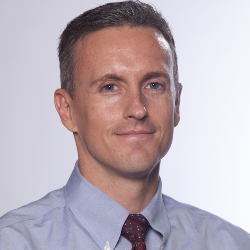 Matthew Lungren, Associate Professor of Radiology & Co-Director, Center for AI in Medicine & Imaging, Stanford University
Associate Prof of Radiology & Co-Director
Stanford UniversityDr. Lungren is the Co-Director of the Stanford Center for Artificial Intelligence in Medicine and Imaging and Medical School Faculty in the Department of Radiology at Stanford University Medical Center. Dr. Lungren’s NIH and NSF funded research is in the field of AI and deep learning in medical imaging, precision medicine, and predictive health outcomes. His work has been featured in national news outlets such as NPR, Vice News, Scientific American and he regularly speaks at national and international scientific meetings on the topic of AI in healthcare.
 Angeli Möller, Head of Pharma Informatics International, Roche
Head of Pharma Informatics International
RocheAngeli Möller is the Head of Roche Pharma International Informatics, based at the Headquarters in Basel / Kaiseraugst, Switzerland. She started her career as a scientist, researching tumour suppressor proteins and then neurodegeneration, before she progressed into various IT and data science leadership roles in both the private and public sectors. Over the course of her career, she has demonstrated exemplary leadership in fostering the use of artificial intelligence and machine learning in the healthcare industry. Angeli genuinely understands the role of data in life sciences and healthcare and is widely regarded as a disruptive innovator who takes a strong role in the health technology community. Angeli is both a dynamic leader with broad industry experience and a disruptive innovator who takes a strong role in the health technology community. As a proponent of pre-competitive collaboration, Angeli sits on the executive committee of the Alliance for Artificial Intelligence in Healthcare (AAIH) and the investment committee of the Pistoia Alliance. She has also co-founded RareX, a non-governmental organisation that enables federated learning across patient data and keeps the patients in control of their own data. Head of Roche Pharma International Informatics (PIIX); Responsible for leading global Roche Pharma Informatics organization, partnering with the >100-country Commercial organization, to bring business impact through digital innovation and solutions; Joined Roche in 2021; PostDoc in neuroscience & systems biology and PhD in Molecular Biology from the University of Edinburgh, UK; Married with one daughter
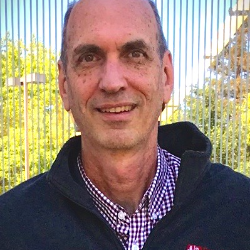 Holden T. Maecker, PhD, Research Professor, Microbiology & Immunology, Stanford University
Research Prof
Stanford UnivDr. Maecker received a BS in Microbiology from Purdue University and a PhD in Cancer Biology from Stanford University. He did postdoctoral work with Ronald and Shoshana Levy at Stanford, and was an Assistant Professor of Biology at Loyola University Chicago, as well as a Senior Scientist at BD Biosciences, San Jose, CA. He is currently a Professor of Microbiology and Immunology, and Director of the Human Immune Monitoring Center, at Stanford University. His research focuses on measuring immune competence, as well as how specific cellular immune responses correlate with immune protection.
 Kathleen Mahoney, MD, PhD, Clinical Instructor, Beth Israel Deaconess Medical Center; Research Fellow, Dana-Farber Cancer Institute
Instructor
Beth Israel Deaconess Medical CtrTargeting immune checkpoint pathways, such as PD-1 and its ligand PD-L1, have shown promising clinical benefit with significantly less toxicity than prior immune therapies. My research interest lies in better understanding the biology of the other B7 family proteins and immunoevasive molecules in addition to PD-1/PD-L1 pathway, and their function in the tumor microenvironment, in order to help guide treatment decisions and improve patient outcomes.
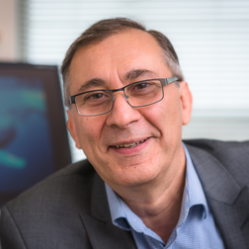 G. Mike Makrigiorgos, PhD, Professor and Director, Medical Physics and Biophysics, Dana-Farber Cancer Institute, Brigham and Women's Hospital, and Harvard Medical School
Director, Medical Physics & Biophysics & Professor
Dana Farber Cancer InstituteDr. Makrigiorgos is a Professor of Radiation Oncology and Director of the Medical Physics & Biophysics division at Dana Farber Cancer Institute and Brigham and Women’s Hospitals, Harvard Medical School. He also directs the DNA technology laboratory and the radiation pre-clinical facility. His research interests include the development of novel DNA technologies for molecular diagnostics in Oncology and the identification of circulating cancer biomarkers. He is the inventor of several PCR-based techniques for molecular diagnostics, including COLD-PCR and NaME-PrO technologies. He is a Member of the Editorial Board of Clinical Chemistry and has published over 150 articles, reviews and book chapters.
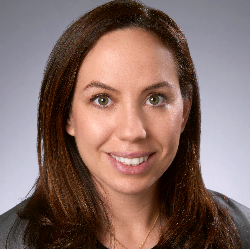 Julia Markensohn, PhD, Principal Scientist, Merck & Co.
Principal Scientist
Merck & CoDr. Julia Markensohn has held various roles in the pharmaceutical industry for the past ten years, ranging from pre-clinical development to translational assay specialist. She has worked in both oncology and infectious diseases and has been a key contributor to the Merck pipeline of both of these therapeutic areas. Currently, she is a Biomarker Lead within the Translational Oncology group at Merck, supporting both early stage and late stage assets.
 Christopher Mason, PhD, Associate Professor, Physiology and Biophysics; Co-Director, WorldQuant Initiative for Quantitative Prediction, Weill Cornell Medicine
Assoc Prof
Cornell UnivDr. Christopher Mason is a Professor of Genomics, Physiology, and Biophysics at Weill Cornell Medicine. He completed a dual B.S. in Genetics & Biochemistry at University of Wisconsin-Madison (2001), a Ph.D. in Genetics from Yale University (2006), Post-doctoral Fellowship in Clinical Genetics at Yale Medical School (2009) while also serving as the first Visiting Fellow of Genomics, Ethics, and Law at the Information Society Project at Yale Law School (2006-2009). In 2010, he became an Assistant Professor of Genomics, Physiology, and Biophysics at Weill Cornell Medicine, then promoted to Associate Professor in 2015, made the Director of the WorldQuant Initiative for Quantitative Prediction in 2017, and promoted to Full Professor in 2021. He also holds appointments at Tri-Institutional Program on Computational Biology and Medicine (Cornell, Memorial Sloan-Kettering Cancer Center and Rockefeller University), the Sandra and Edward Meyer Cancer Center, the Feil Family Brain and Mind Research Institute, (BMRI), and is an affiliate fellow of the Information Society Project (ISP) at Yale Law School, affiliate faculty of the Consortium for Space Genetics at Harvard Medical School, and a Core Faculty Member of New York Genome Center (NYGC). Dr Mason was named as one of the “Brilliant Ten†Scientists by Popular Science, featured as a TEDMED speaker, and called “The Genius of Genetics†by 92Y. He has >250 peer-reviewed papers and scholarly works that have been featured on the covers of Nature, Science, Cell, Nature Biotechnology, Nature Microbiology, and Neuron, as well as legal briefs cited by the U.S. District Court and U.S. Supreme Court. He is an inventor on four patents, co-founder of five biotechnology start-up companies, and serves as an advisor to 17 others as well as 3 non-profits.
 Marielena Mata, PhD, Senior Director, Clinical Biomarkers, Vividion Therapeutics
Senior Director
Vividion TherapeuticsMarielena Mata, PhD is Director and Diagnostic Lead at Pfizer, where she Leads the development and commercialization efforts of companion diagnostics for Oncology assets from early to late development. Prior to Pfizer, Dr. Mata was Head of Personalized Medicine and Companion Diagnostics at GSK where she was responsible for implementation of the Precision Medicine strategy across the GSK portfolio encompassing technical, development, regulatory, commercial, IP and business development efforts. Previously, at Janssen R&D, Inc. Dr. Mata was responsible for the design and implementation of biomarker strategies for Oncology assets, where she led the development of Circulating Tumor Cell based assays as companion diagnostics as well as the development of next generation circulating tumor cell isolation technologies based on microfluidics. Earlier, she established and managed the Biomarkers biobank. In addition to her work in Oncology drug development, Maty, as she is known, has a strong interest in women’s career development and mentorship and is the recipient of the AWIS-PHL Elizabeth Bingham Mentoring Award. Dr. Mata obtained a BA in Biology at the University of North Carolina at Greensboro and her PhD and postdoctoral training in Immunology at the University of Pennsylvania.
 Robert J. Mattaliano, COO, Sanmed Diagnostics Inc.
COO
Sanmed Diagnostics Inc.Robert J. Mattaliano, Ph.D. serves as COO of Sanmed Diagnostics Inc, the US subsidiary of China-based Sanmed Biotech, Ltd. Dr. Mattaliano has served as a Senior Advisor to the Livzon Pharmaceutical Group and was the Global Head of the Biologics Development for Sanofi SA/Genzyme.
 Larissa May, MD, MSPH, MBA, Professor, Emergency Medicine; Director, Emergency Medicine Innovation and External Partnerships; Assistant Clinical Ventures Officer, UC Davis Health
Prof
Univ of California DavisLarissa May, MD, MSPH, MSHS - Dr. Larissa May is Professor of Emergency Medicine and Director of Emergency Department and Outpatient Antibiotic Stewardship at the University of California-Davis. She is a national expert in antibiotic stewardship in the emergency department (ED). Dr. May received her M.D. (2002), her MSPH in Public Health Microbiology and Emerging Infectious Diseases (2008), and her MSHS in Clinical and Translational Research (2013) from The George Washington University. She completed her residency training at the George Washington University in 2006t. Dr. May’s research interests center on the application of rapid molecular diagnostic assays, behavioral economics and clinical guidelines to improve antibiotic stewardship and other patient safety and quality improvement efforts in the ED and urgent care setting. Dr. May has served as an investigator on multiple federally-funded and industry-funded trials evaluating antimicrobial stewardship strategies in the ED and has published over 70 peer-reviewed articles in her field. She has also served on numerous committees and task forces focused on antibiotic stewardship, emergency preparedness, and infectious diseases surveillance for the Centers for Disease Control and Prevention, the National Institutes of Health, and professional organizations including the Infectious Diseases Society of America and the Society for Healthcare Epidemiology of America.
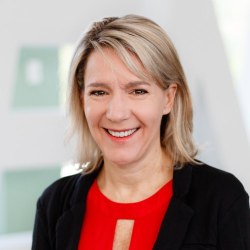 Kristina McGuire, PhD, Executive Director and Head, Precision Medicine Laboratory Operations and Companion Diagnostics, Regeneron
Executive Director
Regeneron Pharmaceuticals, IncKristina McGuire, Ph.D. has spent her career in the field of precision medicine and companion diagnostics and is currently Sr. Director and Head of Laboratory Operations and Companion Diagnostics in Precision Medicine at Regeneron in Tarrytown, NY. Kristina has been at Regeneron since 2017 and is building and leading a team that is responsible for delivery of companion diagnostics as well as laboratory operations. Throughout the course of her career, Kristina has gained valuable experience in various aspects of precision medicine and companion diagnostics from positions held at pharmaceutical/biotechnology companies as well as at institutions that provide outsourced laboratory work for the pharmaceutical industry. Her early career at Amgen focused on assay validation and laboratory operations; first in a GMP environment and then applying sound validation and operational principles across various technologies to build processes for fit-for-purpose biomarker assay validation and clinical sample analysis for clinical trial support. She has continued her passion for laboratory operations and further has focused her career to become an expert in companion diagnostics and supporting successful patient selection strategies for eventual registration of both the drug and the diagnostic.
 Xin Miao, PhD, Director, Assay Development, Mammoth Biosciences
Director
Mammoth BiosciencesXin Miao is the Director of Assay Development at Mammoth Biosciences. He has been with Mammoth for 2 years, focusing on diagnostics assay and reagent development. Prior to Mammoth, he spent a little over a decade developing liquid biopsy tests at Grail and Cirina, Next-Gen sequencing technology at Thermo and Ion Torrent, and genomic tests at Affymetrix and Parallele Bioscience.
 Cathie G. Miller, PhD, Senior Director of Product Marketing, Personalized Medicine, BioIVT
Senior Director of Product Marketing, Personalized Medicine
BioIVTAfter beginning her research career at the University of Michigan, Dr. Miller received her PhD at the University of Louisville School of Medicine before completing her post-doctoral fellowship at the Wistar Institute and the University of Pennsylvania. With a career that spans over 20 years at the bench, as well as a Director and a Global Product Manager, all involving the use of biospecimens in the fields of cancer, immunology and virology, Dr. Miller now oversees the personalized medicine product portfolio at BioIVT.
 Michael J. Mina, MD, PhD, Chief Medical and Strategy Officer, Truvian
Chief Medical and Strategy Officer
TruvianMichael Mina, MD, PhD is an epidemiologist, immunologist and clinical pathologist. He is also an executive and consultant to governments, biotech, and life sciences companies.
He was formerly a professor in the Departments of Epidemiology and Immunology & Infectious Diseases, at the Harvard T.H. Chan School of Public Health; in clinical pathology at Harvard Medical School and an associate faculty at the Broad Institute of MIT and Harvard.
He was the associate medical director for molecular virology diagnostics at Brigham and Women's Hospital and started and helped lead the Broad Institute’s high throughput COVID-19 testing facility.
His research focused on developing extremely multiplexed assays for immune profiling and mathematical models towards understanding effects of viral infections on immunity; the development and maintenance of immunity through life; and development of a global immunological observatory for pathogen spread.
Dr. Mina became Chief Science Officer of eMed, a digital first healthcare company that improves effectiveness of home-based testing by linking home tests to telemedicine. In 2020, eMed collaborated with Abbott to bring the first low-cost COVID-19 rapid test - the BinaxNOW Home Test - into US Households enabling real-time result certification and public health reporting from anywhere helping millions of people travel internationally and return to work and school. Dr. Mina is also the Executive Director of the Immune Observatory, a 501(c)3 not-for-profit for pathogen monitoring and surveillance through next generation immunological tools.
Dr. Mina advises US Federal and state governments, including both White Houses through COVID-19, US Congress, CDC, and FDA. He was the recipient of the NIH Director's Early Independence Award and was named by the Economist as a Global Progress Maker.
He currently helps lead numerous large NIH funded programs including leading the implementation of the NIH Home Test to Treat Program and co-PI of the COVID-19 Paxlovid Rebound Cohort Study
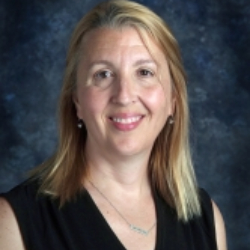 Jennifer Morrissette, PhD, Director, Clinical CytoGenomics Laboratory; Associate Professor, Pathology, University of Pennsylvania
Clinical Dir & Assoc Prof
Univ of PennsylvaniaDr. Jennifer Morrissette is the Laboratory Director of the CytoGenomics Laboratories in the Division of Precision and Computational Diagnostics in the Department of Pathology and Laboratory Medicine at the University of Pennsylvania. Dr. Morrissette is an Associate Professor of Clinical Pathology and Laboratory Medicine, where she serves as the Scientific Director of the Clinical Cancer Cytogenetics Laboratory and the Clinical Director of the Center for Personalized Diagnostics (CPD). She is board certified in Clinical Cytogenetics and Clinical Molecular Diagnostics through the ABMGG, and her interests focus on the development, implementation and analysis of genomic data to detect alterations relevant for oncology patients at diagnosis and throughout the course of their disease. She also serves on the board of Managers for the GOAL academic consortium, chairs a working group for the IFCC on the Guidance for the Implementation of Custom-Made Genomic Panels, and is a member of the Cytogenetics Subcommittee for ECOG.
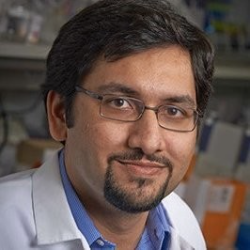 Muhammed Murtaza, MBBS, PhD, Visiting Associate Professor, Surgery/Center for Human Genomics and Precision Medicine, University of Wisconsin-Madison
Visiting Associate Professor
University of Wisconsin MadisonResearch in the Murtaza lab is focused on leveraging computational biology and genomics to bridge diagnostic gaps and improve outcomes for cancer patients. Specifically, we investigate new strategies for improving accuracy of and access to circulating tumor DNA analysis for early detection, treatment response monitoring, and tracking and leverage cancer evolution. Muhammed Murtaza is Visiting Associate Professor in the Division of Surgical Oncology, Department of Surgery at University of Wisconsin-Madison. He leads a laboratory research program based in the Center for Human Genomics and Precision Medicine at UW School of Medicine and Public Health. Prior to this position, he was a faculty member at Translational Genomics Research Institute in Phoenix, AZ and visiting faculty at Mayo Clinic Arizona. Murtaza holds a PhD from University of Cambridge (Cancer Research UK Cambridge Institute laboratory of Nitzan Rosenfeld) and an MBBS from Aga Khan University in Karachi, Pakistan.
 James Nichols, PhD, DABCC, FADLM, Professor of Pathology, Microbiology, and Immunology; Medical Director, Clinical Chemistry and POCT, Vanderbilt University School of Medicine
Professor of Pathology, Microbiology and Immunology, and Medical Director
Vanderbilt University School of MedicineJames H. Nichols, PhD, DABCC, FACB is a Professor of Pathology, Microbiology, and Immunology, Medical Director of Clinical Chemistry and Point-of-Care Testing at the Vanderbilt University Medical Center. Dr. Nichols received his BA in General Biology/Premedicine from Revelle College, University of California at San Diego. He went on to complete a Master’s and Doctorate in Biochemistry from the University of Illinois, Urbana-Champaign. Jim was a fellow in the Postdoctoral Training Program in Clinical Chemistry at the Mayo Clinic, Rochester, MN. He is board certified in both Clinical Chemistry and Toxicological Chemistry by the American Board of Clinical Chemistry. Dr. Nichols spent several years as Associate Director of Clinical Chemistry, Director of Point-of-Care Testing, and an Associate Professor of Pathology at Johns Hopkins Medical Institutions. Jim later served as Medical Director of Clinical Chemistry for Baystate Health in Springfield, MA and was a Professor of Pathology at Tufts University School of Medicine. Dr. Nichols’ research interests span evidence-based medicine, information management, laboratory automation, point-of-care testing and toxicology.
 Ajay Nirula, MD, PhD, Vice President, Immunology, Lilly Research Laboratories
Vice President, Immunology
Eli LillyAjay Nirula, M.D., Ph.D. is Vice President, Immunology for Lilly Research Laboratories (LRL) based at the Lilly Biotechnology Center in San Diego. Dr. Nirula joined Lilly in 2015 and is responsible for discovery research and early phase clinical development in immunology. He has most recently served as the medical leader for Lilly’s work during the COVID pandemic that lead to emergency authorization for a therapeutic neutralizing antibody. Prior to joining Lilly, Dr. Nirula held leadership positions at Amgen and Biogen Idec and was involved in several research programs and regulatory filings spanning diseases such as rheumatoid arthritis, systemic lupus erythematosus, multiple sclerosis, psoriasis, and vasculitis.
Dr. Nirula earned his undergraduate degree in molecular biology from UC Berkeley, his MD from UCLA School of Medicine, and his PhD from the University of Texas Southwestern Medical School. He subsequently joined the faculty in the Division of Rheumatology at UCSF Medical Center. He has published extensively in the scientific literature in journals such as New England Journal of Medicine, Nature Immunology, and Journal of Experimental Medicine.
 John Nolan, PhD, Professor, The Scintillon Institute
Prof
Scintillon InstituteJohn Nolan is a Professor at The Scintillon Institute, where his research group develops and applies new technologies for cytometry. Current projects in his lab include spectral flow cytometry, single particle analysis of natural and synthetic nanoparticles, and surface enhanced Raman scattering (SERS) in cytometry. He is on the Editorial Boards of Cytometry and Current Protocols in Cytometry, a Fellow of the American Institute of Medical and Biological Engineering (AIMBE), and Past President of the International Society for Advancement of Cytometry (ISAC).
Daniel (Dan) O’Shannessy, ., TMDx Consulting LLC
.
TMDx Consulting LLCDr. O'Shannessy has more than 20 years’ Executive Management experience in the fields of translational/precision medicine and diagnostics, specifically in oncology and liquid biopsies, and recently founded TMDx Consulting. He has taken diagnostics from bench to bedside and identified biomarkers for patient selection in clinical trials, including regulatory strategies and agency interactions. Prior to his career in industry, Dr. O'Shannessy was a visiting fellow at the NIH and a Docent in Biochemistry at the University of Lund, Sweden. He has nearly 100 peer-reviewed publications and book chapters, >4000 citations, and numerous issued patents and patent applications in the field of diagnostics.
 Michael O'Brien, Business Development Director, ANGLE plc
Business Development Director
ANGLE plcMichael leads business development activity for ANGLE. He has led the roll-out of ANGLE’s Parsortix (RUO) instrument which is now widely used in cancer research centers around Europe and NA. Michael has a background in technology commercialization, strategic and operational leadership. He has an MA in Engineering Science from the University of Cambridge and an MBA from the University of Warwick.
 Dave O’Connor, PhD, UW Medical Foundation Professor, Pathology & Laboratory Medicine, University of Wisconsin-Madison
Prof
Univ of Wisconsin MadisonDavid O’Connor, PhD, is a UW Medical Foundation Professor of Pathology and Laboratory Medicine at the University of Wisconsin-Madison and chair of the Global Infectious Diseases division of the Wisconsin National Primate Research Center. His laboratory studies the interplay of genomics, immune responses, and emerging viruses. Additionally, his group extends nonhuman primate models and research tools originally developed in response HIV to study other RNA viruses such as SARS-CoV-2 and Zika virus. He is also a strong advocate for improved real-time data sharing to accelerate infectious disease research. He recently finished a year at the Peter Doherty Institute for Infection and Immunity as a University of Melbourne Miegunyah Distinguished Visiting Fellow.
 Maria C. M. Orr, PhD, FRSB, Head of Precision Medicine, Biopharmaceuticals, AstraZeneca
Head of Precision Medicine, Biopharmaceuticals
AstraZenecaMaria is currently Head of Precision Medicine for Biopharmaceuticals in AstraZeneca. In this role she leads the delivery of precision medicines and their associated companion diagnostics for drugs across a diverse range of therapeutic areas including cardiovascular, renal, metabolism (CVRM), respiratory and immunology (R&I), microbial science and neuroscience.
Maria has extensive experience in the field of precision medicine and companion diagnostic development. She has contributed to the successful launch of three personalised treatments in oncology and the delivery of over 30 companion diagnostic assays to the market to date.
With over 20 years’ experience in the pharmaceutical industry Maria has considerable knowledge of all phases of life science product discovery and development.
 Mene N. Pangalos, PhD, Executive Vice President, Biopharmaceuticals R&D, AstraZeneca
Exec VP Biopharmaceuticals R&D
AstraZeneca
 David Parker, PhD, SENIOR VICE PRESIDENT, DIAGNOSTICS SOLUTIONS, Precision for Medicine
SENIOR VICE PRESIDENT
Precision for MedicineStrategic visionary and healthcare industry veteran operating at the intersection of reimbursement, health economics, clinical science, and marketing strategy. Expertise encompasses all aspects of market access, reimbursement, and evidence development strategy, with a particular focus on personalized medicine, advanced molecular and companion diagnostics, and targeted therapies.
 Tim Patno, Vice President, Product Development, Mammoth Biosciences
Vice President
Mammoth BiosciencesTim joined Mammoth in May 2020 to help bring CRISPR enzymes into various molecular diagnostic products. Tim has been involved in developing molecular diagnostic platforms and assays since 2001. Prior to molecular diagnostics, Tim worked on medical devices and in aerospace as a systems engineer after receiving his Masters of Science from the University of Southern California and a Bachelors of Science from the University of Illinois.
 Andrea Pavesi, PhD, Investigator, Institute for Molecular and Cellular Biology, A-Star, AIM Biotech
Investigator, Institute for Molecular and Cellular Biology
AIM BiotechAndrea Pavesi is a consultant to AIM Biotech and one of its founding team members. He is an entrepreneurial scientist with a Ph.D. in Biomedical and Biomechanical Engineering with extensive experience in biomedical engineering and lab-on-a-chip technologies. A former Research Scientist at the Singapore-MIT Alliance for Research and Technology (SMART), he is currently a Junior Investigator at the Institute of Molecular and Cell Biology in Singapore - Pavesi Lab.
 Gary Pestano, PhD, Chief Development Officer, Development, Biodesix, Inc.
Chief Development Officer
Biodesix, Inc.Dr. Pestano has served as Chief Development Officer since 2018 and has been with the company since 2012. Prior to joining Biodesix, Dr. Pestano held senior positions in Pharma Services and R&D at Ventana Medical Systems from 2003 to 2012. Dr. Pestano received his Ph.D. in Molecular Cell Biology at The Graduate Center, City University of New York. He conducted his post-doctoral training in Cancer Immunology and AIDS at the Dana Farber Cancer Institute.
 Kenneth Bramwell PhD, Research & Development, Co-Diagnostics, Inc
Research & Development
Co-Diagnostics, IncDwight Egan, CEO
Dr. Kenneth Bramwell, Director of Research and Development
Masen Christensen, Senior Design Engineer
Madison Stark, Lead Laboratory Technician
 Maria L. Pineda, PhD, CEO & Co-Founder, Envisagenics Inc.
CEO & Co Founder
Envisagenics IncMaria Luisa Pineda, PhD, is the Co-Founder and CEO of Envisagenics. Maria Luisa began her career as a life science venture capital investor before starting Envisagenics. Under her leadership, Envisagenics has received nearly $3.5M in non-dilutive SBIR grants and revenue, raised $7.5M from investors, and won several prestigious competitions for excellence in artificial intelligence, including the JLABS Artificial Intelligence for Drug Discovery QuickFire Challenge. In April, Maria Luisa secured an oncology partnership with the Lung Cancer Initiative at Johnson & Johnson.
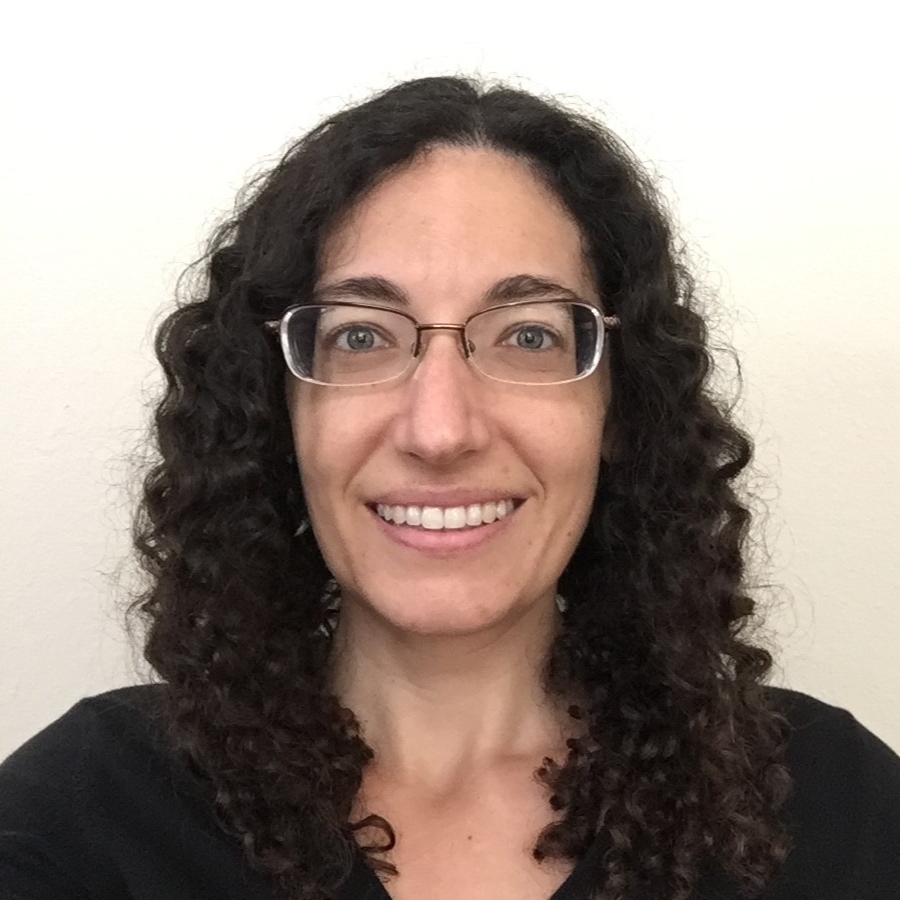 Sara Pollan, Scientist, Multiplexing, NeoGenomics Laboratories
Scientist
NeoGenomics LaboratoriesDr. Pollan is a Lead Scientist within mIF Pharma Services Division at NeoGenomics. Her work focuses on successful optimization and validation of custom multiplex immunofluorescence panels using the Vectra Polaris platform. She earned her Ph.D. in Translational Medicine at Cedars-Sinai Medical Center and Masters in Biomedical Science at UC Irvine. Dr. Pollan has been featured in the journal Oncogene for discovering a new mechanism used by circulating tumor cells to evade immune detection.
 Maliheh Poorfarhani, Product and Service Partnering Tech Lead - Digital Solutions, Roche Diagnostics
Product and Service Partnering Tech Lead
Roche DiagnotsicsMali Poorfarhani has been with Bayer Pharma for 16 years and currently is the director of global Digital Health sourcing. This role spans from technology scouting to data acquisition, building digital health supply chain and periodic performance evaluation in Bayer. Mali holds Masters of Science in System Engineering from University of Maryland, Leadership and negotiation certificate from Carnegie Mellon and AI in Healthcare certificate from MIT. Mali throughout her career at Bayer, design and implemented multi-disciplinary complex software and hardware system applications deployed in healthcare environment. Her current focus is to enable the Digital Health solution businesses across Bayer Pharma by scouting external partnerships.
 Mark Poznansky, MD, PhD, Associate Professor, Medicine, Vaccine and Immunotherapy Center, Massachusetts General Hospital
Dir & Assoc Prof Medicine
Massachusetts General HospitalMark C. Poznansky, MD, PhD, FRCP, F.I.D.S.A. Director, Vaccine and Immunotherapy Center; Associate Professor of Medicine, Harvard Medical School; Steve and Deborah Gorlin MGH Research Scholar; Attending Physician, Infectious Diseases Medicine, Massachusetts General Hospital; Dr. Poznansky is a medical innovator whose work bridges academic discovery and clinical care. As a leader in the field of leukocyte migration and the modulation of leukocyte trafficking and function, he has linked discovery with the development of new vaccines and immunotherapies for infectious diseases including COVID-19, cancer and immune mediated diseases including type 1 diabetes. Dr. Poznansky has gained recognition for establishing a new model for translational research that accelerates the process by which basic biological discoveries move towards products and technologies that improve patient care and treatment. Since 2008 he has served as the founder and director of the Vaccine and Immunotherapy Center (VIC) at MGH, which is putting this model into practice. The goal of VIC is to enable efficient and rapid transition of promising technologies through preclinical development and into the clinical stage of development through technology spin outs, partnerships or out-licensing. He oversees the research work of a team of investigators, postdoctoral fellows and other trainees addressing key research questions regarding these new therapeutics and vaccines and leads an operational team that facilitates the execution of business, regulatory, manufacturing, and other developmental tasks associated with the preclinical translation of these candidates. VIC currently has 9 vaccines and immunotherapies in development, including a new self-assembling T cell targeted COVID-19 vaccine. Four of these technologies have recently reached large animal preclinical or first in human testing. The team at VIC has also developed a novel high dimensional immunology program that uses state of the art omics technologies to define broad immune profiles in cancer, infectious and immune mediated diseases to inform diagnosis, clinical decision making and vaccine and immunotherapy design. Dr. Poznansky is the scientific founder of Celtaxys, ACTx, Vicapsys, Aperisys and Voltron Therapeutics.
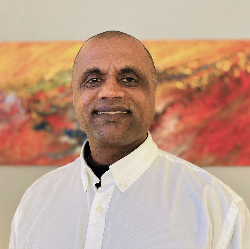 Shashi Ramaiah, PhD, Executive Director, Global Head of Biomarkers, Drug Safety R&D, Pfizer, Inc.
Exec Dir & Global Head Biomarkers
Pfizer Research LabsSince 2008, Shashi has been employed by Pfizer, overseeing translational biomarker strategies for developing innovative medicines. Currently, Shashi is the Executive Director-Global Head of Biomarkers within Drug Safety R&D, Pfizer Inc. In his current role, responsible for Safety Biomarker activities across all DSRD sites and for establishing and maintaining scientific strategy and operations group across global biomarker groups. Shashi is leading several precompetitive consortia (IMI, PSTC) involving biomarkers and safety biomarker initiatives. During his 20 years of combined academic and pharmaceutical industry experience, Shashi has delivered over 50 invited seminars and written more than 45 peer-reviewed publications and over 15 book chapters including serving on editorial board of peer reviewed journals and leadership within scientific societies. Shashi Ramaiah completed his PhD from University of Louisiana at Monroe in Pharmacology and Toxicology. After completing his PhD, Shashi enrolled in the Clinical Pathology residency program at University of Florida and completed his certification in Veterinary Clinical Pathology. Following his residency training, Shashi accepted a tenure track faculty position in the department of Veterinary Pathobiology, College of Veterinary Medicine at Texas A&M University. During his ~6 yeawr stint as a faculty at Texas A&M, Shashi pursued his independent research on an NIH-NIAAA funded research grant on alcoholic hepatitis and non alcoholic fatty liver syndrome. In addition to his research, Shashi participated in diagnostic clinical pathology service, residency training and graduate student teaching at Texas A&M University.
 Varsha Rao, Director, Clinical Research & Development, Claret Bioscience LLC
Director
Claret Bioscience LLCDr. Varsha Rao is the Director of Clinical R&D at ClaretBio. Prior to her current role, Dr. Rao was a scientist at Prof. Michael Snyder’s lab at Stanford University where she lead projects that integrated cell and cell-free transcriptomic data in the context of metabolic diseases, viral infections and myelodysplastic syndrome. She received her Ph.D from the University of Maryland Baltimore County (2012) where she worked on identifying novel protein degradation mechanisms underlying prostate cancer progression.
 Nadeem Riaz, MD, Associate Director, Immunogenomics and Precision Oncology Platform, Radiation Oncology, Memorial Sloan Kettering Cancer Center
Asst Attending & Assoc Dir Genomics Operations
Memorial Sloan Kettering Cancer CtrDr. Riaz obtained his MD and a MSc in bioinformatics from Stanford University and completed clinical training in radiation oncology at Memorial Sloan Kettering Cancer Center (MSKCC). He subsequently stayed on staff at MSKCC as a Head and Neck Radiation Oncologist and also serves as the Associate Director for the Immuno-genomics and Precision Oncology Platform at MSKCC. His laboratory research has focused on the development of novel computational techniques to interrogate genomics data to predict outcomes after immuno-therapeutics in cancer. He focuses on how mutational processes and tumor clonality influence the production and immunogenicity of neo-antigens. His clinical research efforts have focused on personalizing radiotherapy for HPV-related oropharyngeal cancers.
 Dominie Roberts, Conference Director, Cambridge Innovation Institute
Conference Director
Cambridge Innovation Institute
 Helen Roberts, PhD, President, Seegene Technologies
President
Seegene TechnologiesDr. Helen Cha Roberts is the President of Seegene Technologies, the US subsidiary of Seegene Inc., a global leader in COVID-19 molecular testing, having provided over 100M tests to 70 countries worldwide in 2020. Dr. Roberts received an undergraduate degree in Molecular and Cell Biology, Genetics from UC Berkeley, and a Ph.D. in Vertebrate Molecular Genetics from Stanford University School of Medicine.
 John Rossi, PhD, SVP, Stealth Co. Former Vice President, Translational Medicine, Capstan Therapeutics
Vice President
Capstan TherapeuticsJohn Rossi is a translational medicine leader with more than 24 years of experience in the biopharmaceutical industry, specializing in clinical pharmacology, predictive biomarkers, and correlative science to advance oncology and immune-related drug development. He has built and led high-impact translational teams spanning early discovery through late-stage clinical development, with a particular focus on cell therapy. Most recently, John served as Vice President and Head of Translational Medicine at Capstan, where he designed and led translational strategy for a FIH study of a novel class of in vivo nanomedicines for the treatment of AID. Prior to Capstan, he was Vice President of Translational Medicine at CARGO Therapeutics, where he led a successful IND submission team, enabling a phase 2 clinical trial of CRG-022, a novel anti-CD22 autologous CAR T-cell therapy. Before joining CARGO, John was a Senior Director at Kite, a Gilead Company, leading clinical pharmacology and biomarker discovery teams that supported global approvals of Yescarta® and Tecartus®. John’s scientific contributions include the discovery of novel metrics to characterize CAR T cells based on functionality and fitness; biomarker insights that elucidated CAR T-cell mechanisms of action in humans; mechanistic understanding of CAR-related toxicities; new perspectives on the tumor immune microenvironment; and elucidation of the pivotal role of IL-15 in CAR T-cell function.
 David Ruau, Head of Global Data Asset and Decision Science, Bayer
Head Global Data Assets & Decision Science
BayerDavid Ruau is the Head of Global Data Asset and Decision Science at Bayer Pharmaceuticals leading the data asset and data science function working across all functions at Bayer Pharmaceuticals. David is an experienced digital business leader in the life-science industry. Prior joining the pharmaceutical industry David worked in integrative bioinformatics and biomedical research.
David authored 30+ publications in Nature, Nature Methods, Science Translational Medicine, Cell, Cell Stem Cell, the Journal of Pain, PLoS... His research using Electronic Medical Records was featured in the New York Times, Time magazine, the Wall Street Journal, and on news network such as the BBC, NPR, BBC and CNN. David received several awards including the Borchers medal from the RWTH University, the 2010 research award of the department of Anesthesia at Stanford University School of Medicine, and the distinguish paper award at AMIA TBI 2011 and was nominated for the Young Investigator Award of the IASP. Additionally, David wrote two book chapters on data mining techniques used in functional genomics, one published by Springer and the latest is a textbook for bioinformatics for Cold Spring Harbor.
 Hakan Sakul, PhD, Owner and President, Precision Dx Strategies, Inc.
Owner and President
Precision Dx Strategies, Inc.As former VP and Head of Diagnostics, Dr. Hakan Sakul founded and led Pfizer’s Diagnostics group, with dozens of drug/diagnostics combination approvals in global markets under his leadership. During his 24-year tenure at Pfizer, Hakan also held leadership positions in Clinical Pharmacogenomics, Molecular Profiling, and Translational Oncology. One of his most significant professional accomplishments was to lead Pfizer’s flagship CDx program for Xalkori®, resulting in simultaneous FDA approvals of the drug/diagnostic combination in 2011. Prior to Pfizer, Hakan worked in the biotech industry in human genetics and statistical genetics. Hakan’s contributions to precision medicine and diagnostics have been widely recognized through both internal and external awards and frequent speaking engagements. He is a former member of the Board of The Personalized Medicine Coalition, served as a Scientific Advisory to Luminex Corp, and currently is a Board member of Progentec Diagnostics, as well as BASH Biotech. Hakan is a member of California Gov Newsom’s Precision Medicine Advisory Council. He received his BS and MSc degrees from Ankara University in Turkey, PhD in Quantitative Genetics from the University of Minnesota as a Rotary Foundation Scholar and conducted postdoctoral studies at the University of California-Davis. He has authored over 30 refereed scientific articles as well as many other publications. Hakan is keenly interested in molecular diagnostics, liquid biopsy and related medical technologies to advance Precision Medicine for the improvement of individualized healthcare.
 Steven Schachter, MD, Professor, Neurology, Harvard Medical School; Chief Academic Officer and RADx Chief, CIMIT
Professor
Harvard Medical SchoolDr. Steven Schachter is Chief Academic Officer for the Consortia for Improving Medicine with Innovation & Technology (CIMIT) and a Professor of Neurology at Harvard Medical School. He is Past President of the American Epilepsy Society and serves on the Epilepsy Foundation of America Board of Directors. He leads the NIH-funded initiative RADx Tech through the Point of Care Technologies Research Network. Dr. Schachter has published over 250 articles and chapters and edited or written 40 books. He is a member of the Administrative Committee of the IEEE Engineering in Medicine and Biology Society (EMBS), the Clinical Editor for Journal of Translational Engineering in Health and Medicine and founding editor and editor-in-chief of the medical journals Epilepsy & Behavior and Epilepsy & Behavior Case Reports.
 Robert Schlaberg, MD, PhD, Assistant Professor, Pathology, University of Utah; Medical Director, ARUP Laboratories; Co-Founder & CMO, IDbyDNA
Medical Dir
ARUP LabsRobert Schlaberg is a co-founder and Chief Medical Officer of IDbyDNA, as well as Assistant Professor of Pathology at the University of Utah School of Medicine. His research is focused on next-generation sequencing-based infectious disease diagnostics and is supported in part by the Bill & Melinda Gates Foundation. Robert co-developed Taxonomer, the metagenomics data analysis platform, utilized by IDbyDNA as its central technology. Robert received Medical degrees from the Julius-Maximilians-University in Wuerzburg, Germany and a Masters of Public Health from Columbia University where he also trained in clinical pathology and served as Chief Clinical Pathology Resident. Robert is a board-certified Clinical Pathologist and Medical Microbiologist.
 Emmett Schmidt, MD, PhD, Vice President, External Collaborations, Oncology Early Development, Merck
VP
Merck Research LabsEmmett received his undergraduate degree in Biology from Harvard College in 1974 and a simultaneous M.A. in Biology. He received MD and PhD degrees having attended medical school and graduate school at the Duke University School of Medicine from 1975 to 1981. He completed internship, residency and fellowship in Pediatrics and Infectious Diseases at Boston Children’s Hospital in Boston, Massachusetts.
Emmett was at the Massachusetts General Hospital of the Harvard Medical School from 1998 until 2010. Starting as a founding member of the MGH Cancer Center, Emmett became a full professor in 2004 and served as the Associate Chief of the Department of Pediatrics from 2002 until 2010. Highlights of his research career include: the experimental demonstration that cyclin D1 can function as a driver oncogene in breast cancer; studies of the mechanisms by which cell growth drives cell division; initial demonstrations that c-Myc has a primary function in regulating cell growth; and development of a range of transgenic models of cancers (lymphoma, gastric, HCC, and breast). Clinical highlights of his time at MGH included running a small pediatric HIV unit, co-founding the Pediatric Hospitalist Group and directing the Pediatric Residency from 1996 until 2010. Along the way he was the PI or co-PI for the following: six RO1s, one UO1, and two SPORE projects from the NIH; an ACS RIG; a MacDonnell Scholar grant; as well as grants from the Brain Tumor Society, the Hood Foundation, Sumitomo Pharmaceuticals, and the Pfeiffer Research Foundation. He was elected a member of the two academic Pediatric leadership societies including the Society for Pediatric Research in 1997 and the American Pediatric Society in 2000.
Emmett joined Merck in 2011. Initially recruited to Experimental Medicine, his early assignments included the First-in-Human study of MK-8353 (ERK inhibitor), and evaluation of a clinically-derived biomarker for MK-0646 (anti-IGFR) in colorectal cancer. Subsequent studies as part of the Oncology group included a broad portfolio of studies of MK-2206 (AKT inhibitor) encompassing four internal studies, 31 National Cancer Institute-sponsored studies and the I-SPY2 breast cancer collaboration. Subsequent assignments included clinical lead roles for the vintafolide program, and for the First-in-Human study of MK-4166, an inhibitor of the glucocorticoid-induced TNFR family related gene (GITR). In 2013 Emmett joined the pembrolizumab team taking on key responsibilities for developing phase 3 registration studies in adjuvant melanoma (053 and 054) as well as the first-line head and neck trial (048). Emmett has supported successful filing activities for pembrolizumab both within and outside of the United States. As part of the pembrolizumab melanoma team Emmett was the clinical lead for Keynotes 002, 027, 053, and 054. He has been part of the filing teams for 001, 002, and 006, as well as representing the Melanoma clinical team for global filing activities.
He currently leads the External Collaborations PDT whose studies include over 120 partnered studies of clinical combinations of pembrolizumab and a broad portfolio of other cancer drugs.
 Cecilia Schott, PharmD, MBA, Vice President, Head of Global Precision Diagnostics - Oncology Translational Medicine, GSK
VP, Precision Diagnostics - Oncology Translational Medicine
GSKCecilia Schott is the Head Global Precision Diagnostics - Oncology Translational Medicine at GSK. She joined GSK early 2024 from Novartis where she led the Global Commercial Precision Medicine group delivering comprehensive cross-functional and cross oncology brand diagnostic strategies through the entire product life cycle. Prior to Novartis, she was responsible for establishing a portfolio of partnership agreements and products with diagnostic companies enabling access to a range of technologies delivered through global drug launches at AstraZeneca.
Cecilia’s background includes roles in Global Marketing, Medical Affairs and Clinical Trial Operations. Cecilia was part of Biogen’s Drug Safety and Medical Information function, and at Boston Scientific she was responsible for establishing the drug eluting stent franchise Medical Publication and Medical Information groups within Medical Affairs.
Cecilia holds a BS in Pharmacy from the University of Sao Paulo, Brazil; a Doctor of Pharmacy from Massachusetts College of Pharmacy, Boston and a MBA from Babson College, Boston.
 Ajay Shah, PhD, MBA, Executive Director & Head of IT, Cell Therapy TRC, Early Clinical Development and CP&P, Bristol Myers Squibb Co.
Exec Dir & Head IT BP, IO/CT R&ED, Early Clinical Development and CP&P
Bristol Myers Squibb CoAjay Shah is Executive Director and Head of Cell Therapy TRC, Early Clinical Development & Clinical Pharmacology and Pharmacometrics IT at BMS. He headed the Translational Medicine IT previously, where he was responsible for platforms and solutions ranging from semantic integration of R&D data, biomarker characterization, precision medicine, imaging, bioinformatics, bio-analytical sciences, and laboratories, etc. Prior to BMS he headed Research Informatics (Discovery, Clinical and Translational) and Research IT at City of Hope National Medical Center. He has held roles of Director of Research Informatics at Elan Pharmaceuticals and Associate Director of Cheminformatics at Pfizer after starting his career at Biosym (now Biovia) in scientific software development and scientific support roles.
 Alexander Sherman, Director, Center for Innovation and Bioinformatics, Massachusetts General Hospital
Dir
Massachusetts General HospitalAlex is the Director of the Center for Innovation and Biomedical Informatics (CIB) at MGH and a Principal Associate in Neurology at Harvard Medical School. The focus of Alex’s work and research is conception, design, and development of technology, platforms, infrastructure, and methods for collaborative clinical research and optimization of clinical research in disease-specific networks. Other aspects of Alex’s research are patient empowerment, developing a system of incentives and supporting technologies to secure collaboration, integration, harmonization, and sharing of clinical and research information by all clinical research enterprise participants.
Alex’s CIB team has introduced such innovative and break-through concepts and products as NeuroBANK, a patient-centric research platform and accelerated research environment, utilized by hundreds of investigators at 80+ clinical sites in 14 countries; PRO-ACT, a harmonized anonymized dataset of ALS clinical trials utilized to design clinical trials and identify novel biomarkers and disease models; and The SigNET Platform for unique and secure patient identification across research continuum.
All three platforms have won the Best Practice Award from Bio-IT World Congress in Precision and Translational Medicine category in 2013, 2016, 2018, and 2020, as “outstanding example of how technology innovations and strategic initiatives can be powerful forces for change in the life sciences, from basic biomedical research to drug development and beyond.â€
Alex is the Chair of the Big Data committee of NEALS (www.neals.org) and is a founding Board Member of ALD Connect. Mr. Sherman holds a Master of Science degree in Nuclear Engineering and graduated from a doctorate program in Nuclear Engineering.
For more information, please visit https://www.data4cures.org
 Marina Sirota, PhD, Professor and Acting Director, Bakar Computational Health Sciences Institute, University of California, San Francisco
Professor
Univ of California San FranciscoMarina is currently an Associate Professor at the Bakar Computational Health Sciences Institute at UCSF. Prior to that she has worked as a Senior Research Scientist at Pfizer where she focused on developing Precision Medicine strategies in drug discovery. She completed her PhD in Biomedical Informatics at Stanford University. Dr. Sirota’s research experience in translational bioinformatics spans over 10 years during which she has co-authored over 80 scientific publications. Her research interests lie in developing computational integrative methods and applying these approaches in the context of disease diagnostics and therapeutics with a special focus on studying the role of the immune system in disease. The Sirota laboratory is funded by NIA, NLM, NIAMS, Pfizer, March of Dimes and the Burroughs Wellcome Fund. As a young leader in the field, she has been awarded the AMIA Young Investigator Award in 2017. Dr. Sirota also is the director of the AI4ALL program at UCSF, with the goal of introducing high school girls to applications of AI and machine learning in biomedicine.
 Patricia R. Slev, PhD, Section Chief, Immunology; Medical Director, Immunology Core Laboratory; Associate Professor, University of Utah School of Medicine
Medical Dir
ARUP Labs
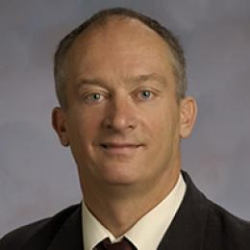 Jeremy C. Smith, PhD, Governor's Chair and Director, University of Tennessee/Oak Ridge National Laboratory Center for Molecular Biophysics
Dir
Oak Ridge Natl LabJeremy Smith obtained his PhD in Biophysics from the University of London. After graduation, he worked as a post-doctoral associate and lecturer at Harvard University in the group of Martin Karplus. Jeremy has since built up research groups in three different countries. His first group was in Biomolecular Simulation at the Commissariat à l'Énergie Atomique (CEA) at Saclay, France (1989–1998). Then, in 1998, he became the first chaired professor in computational biology in Germany, when appointed at the Interdisciplinary Center for Scientific Computing of the University of Heidelberg, where he is honorary professor today. In October 2006 Jeremy became the first Governor's Chair at the University of Tennessee, and also Director of the UT/ORNL Center for Molecular Biophysics at Oak Ridge National Laboratory. His move to Tennessee arose from the presence at ORNL of world-class supercomputing capabilities and the Spallation Neutron Source, as the combination of neutron scattering with computer simulation has been a sustained interest of his. Jeremy has performed and directed research in high-performance computer simulation of biological macromolecules, neutron scattering in biology, the physics of proteins, enzyme catalysis, bioenergy, environmental biogeochemistry and the analysis of structural change in proteins. As of 2017 he had published over 400 peer-reviewed scientific articles.
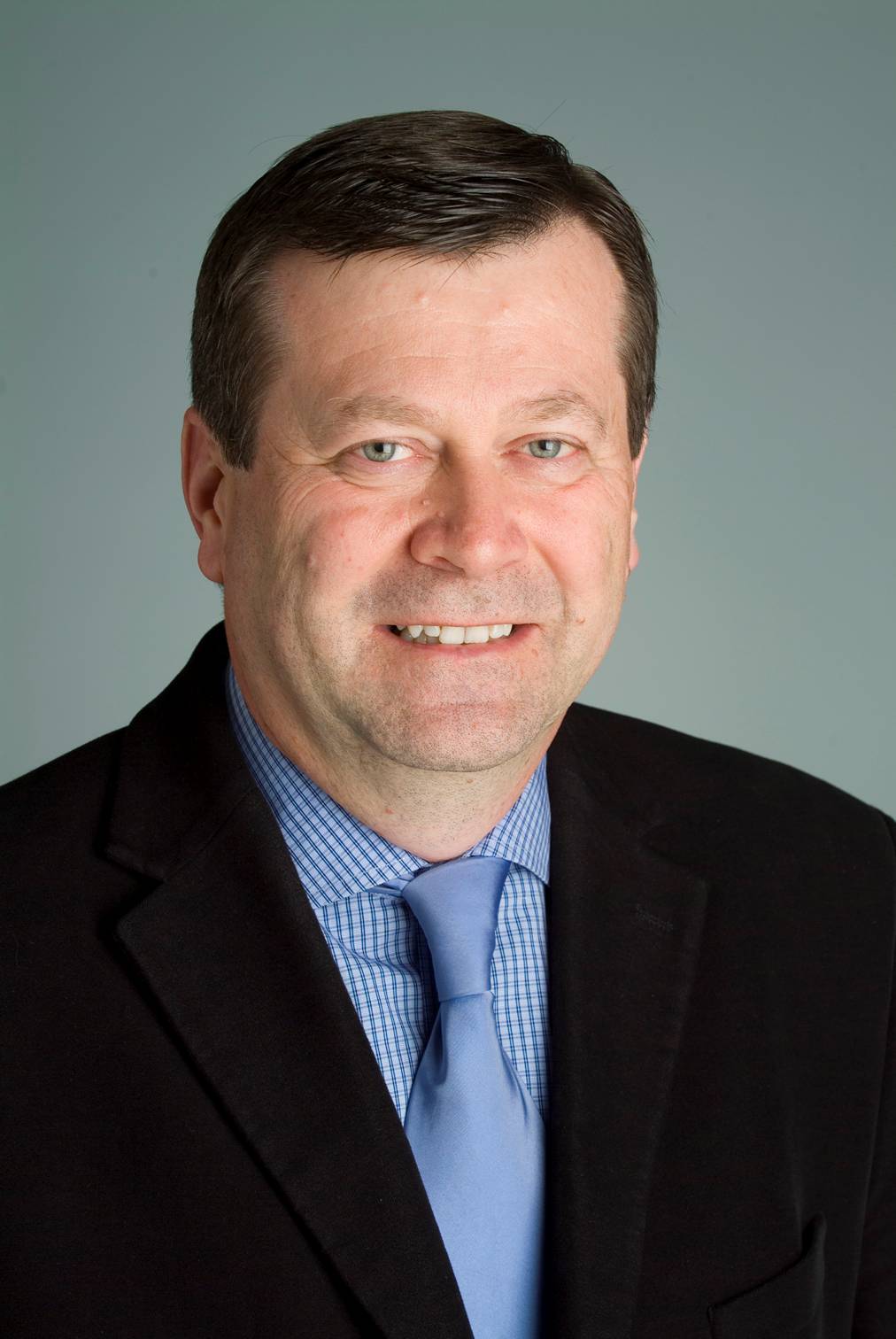 Paul Smith, Vice President; CEO ANGLE, ANGLE plc
Vice President; CEO ANGLE
ANGLE plcPaul Smith is the CEO of ANGLE Biosciences. Prior to joining ANGLE, Paul served as President and CEO of Axela, a company specializing in the development of biomarker tools. He has more than 30 years of experience in the life science instrumentation field with a diverse background in sales, marketing and field operations. Previously, Paul held the positions of VP, Sales Europe and NA and Director, European Operations for Ciphergen Biosystems.
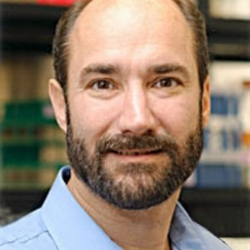 Michael Snyder, PhD, Stanford W. Ascherman Professor & Chair, Department of Genetics; Director, Center for Genomics & Personalized Medicine, Stanford University
Stanford W. Ascherman Professor, Department of Genetics and Director, Center for Genomics and Personalized Medicine
Stanford University School of MedicineAs a pioneer of Precision Medicine, Dr. Michael Snyder has invented many technologies enabling the 21st century of healthcare including systems biology, RNA sequencing, and protein chip. Dr. Snyder has initiated the Big Data approach to healthcare through his work using omics to detect early stage disease, including wearables to detect infectious diseases like COVID-19, and at-home microsampling to measure hundreds of molecules from a single drop of blood. He is the first researcher to gather petabytes of data on individuals, which is 1 Million - 1 trillion times more data than the average clinician collects. He as published over 800 papers and is one of the most cited scientists. In terms of commercial success, Mike has co-founded 17 companies (including 2 unicorns) with combined enterprise value of over $6 billion.
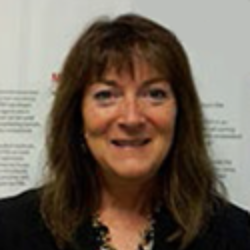 Elizabeth B. Somers, Senior Director, Diagnostic Pathway Lead, Alzheimer's Disease Franchise, Eisai, Inc.
Sr. Director, Diagnostic Pathway Lead
Eisai IncElizabeth Somers is the Diagnostic Pathway Lead in the Alzheimer’s Disease Franchise at Eisai, Inc. and responsible for the development and implementation of global diagnostic strategy and commercialization of diagnostics in coordination with diagnostic partners to support the global marketing and commercialization of targeted therapeutics. Eisai Inc. is a biopharmaceutical company based in Tokyo, Japan with US Headquarters in Woodcliff Lake, New Jersey. Elizabeth has taken a lead role in the development of Companion Diagnostics in the Oncology Department prior to joining the Alzheimer’s Disease Franchise. Elizabeth has held positions as Director of Business Development, Director of Clinical Development, Global Marketing, Intellectual Property Management, licensing and commercialization of early stage technologies. Elizabeth has been responsible for the in-licensing of antibodies for IVD development, clinical market development and commercialization strategy for multiple oncology assays currently on the market.
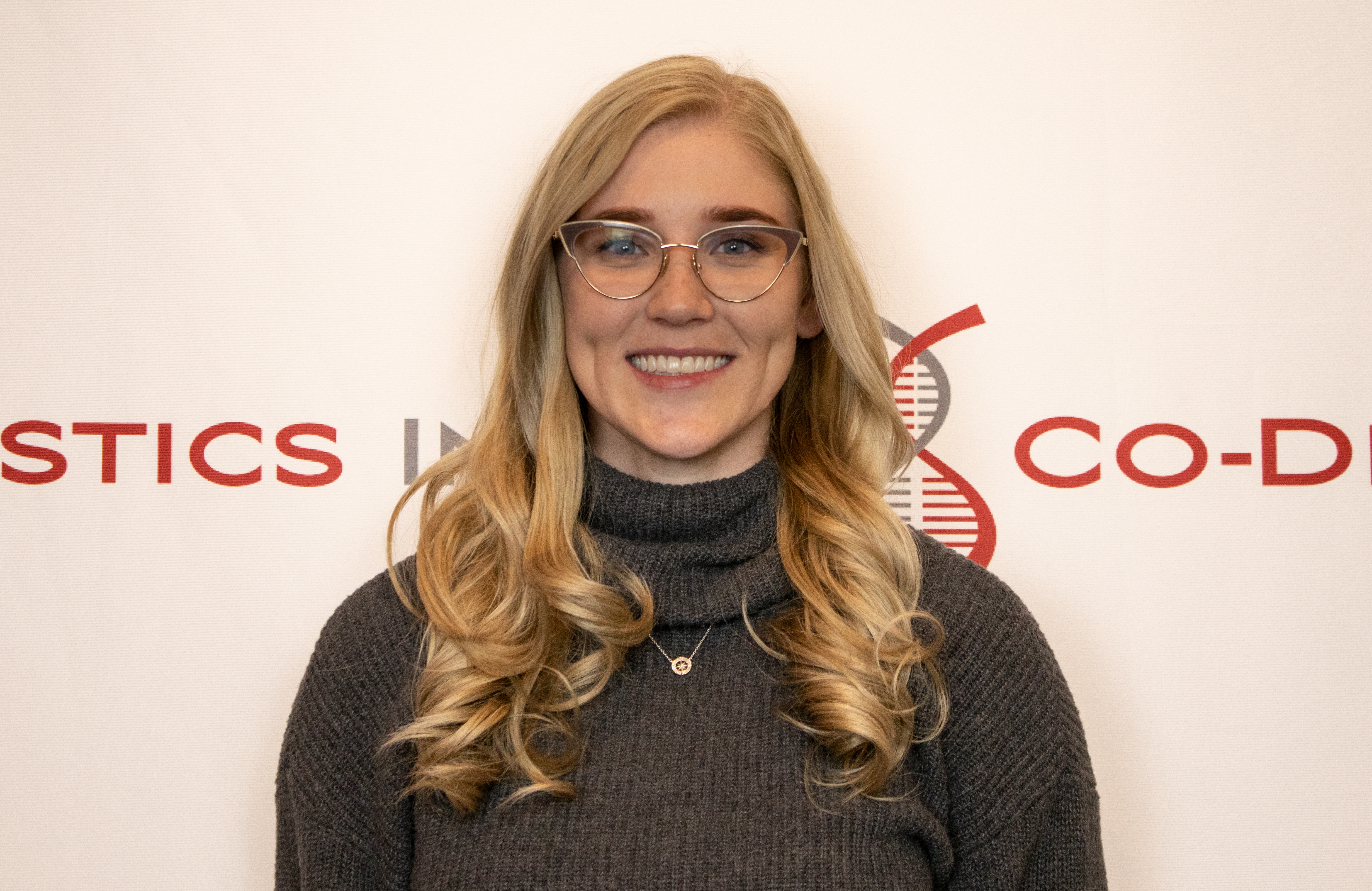 Madison Stark, Lead Laboratory Scientist, Co-Diagnostics, Inc
Lead Laboratory Scientist
Co-Diagnostics, Inc
 Jonathan D Steckbeck, PhD, Founder & President & CEO, Peptilogics
Founder & President & CEO
Peptilogics
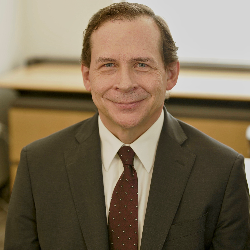 Timothy Stenzel, MD, PhD, Former Director, Office of in vitro Diagnostics and Radiological Health, FDA
Dir
FDA CDERDr. Timothy Stenzel, MD, PhD is the former Director of the FDA’s Office of In Vitro Diagnostics and has an extensive background, spanning more than 25 years, in executive leadership, innovation, companion diagnostics, molecular diagnostics, molecular genetics, immunology, infectious diseases, surgical pathology, laboratory medicine, basic and applied research and development, commercial operations, manufacturing, contract negotiations, mergers and acquisitions, FDA regulations, dozens of successful FDA submissions and scores of regulated products launched outside the US, and worldwide clinical laboratory operations at Duke University, then Industry and finally at the FDA. He received his M.D. and Ph.D. in Microbiology and Immunology from Duke University after graduating with Honors in Chemistry from Grinnell College and is board certified in Pathology and Genetics following a residency, a clinical fellowship, and an NIH funded research fellowship at Duke University. He founded the Duke Clinical Molecular Diagnostics laboratory, clinical and research laboratories in Japan and China, respectively, and Molecular Diagnostics at QuidelOrtho.
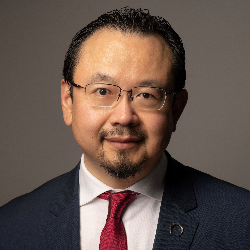 Zhen Su, MD, MBA, CEO, Marengo Therapeutics
CEO
Marengo TherapeuticsAs CEO of Marengo Therapeutics and a director of the company’s board, Zhen Su brings more than two decades of experiences as a physician-scientist and business executive, with expertise in building and leading both R&D and commercial organizations. Prior to joining Marengo, Zhen served as Senior Vice President and Global Head of Oncology for Merck KGaA, where he led the franchise’s turnaround to achieve double-digit organic growth and an annual revenue above €1B. In this role, he also successfully expanded the oncology portfolio including key alliance partnerships with Pfizer ($2.8B), GSK ($4.2B), and Debiopharm ($1.1B). In his earlier role as Chief Medical Officer of EMD Serono and head of its Oncology Medical division, he played an instrumental role in 8 major regulatory approvals across different indications for Bavencio®, Tepmetko®, Erbitux®, and Mavenclad®. He also held leadership roles with increasing responsibilities at Sanofi Oncology and GSK. Before his industry career, Zhen served on the faculty of Duke University, where he led early clinical studies focusing on mRNA-based and cell-based immunotherapy, and then the University of Florida, where he was the director of the Cell and Gene Therapy program. He is the author of more than 60 publications in immuno-oncology and targeted oncology. Zhen earned his M.D. from the Technical University of Dresden, completed his post-doctoral training in tumor immunology at Duke University, and received an MBA from the University of Toronto.
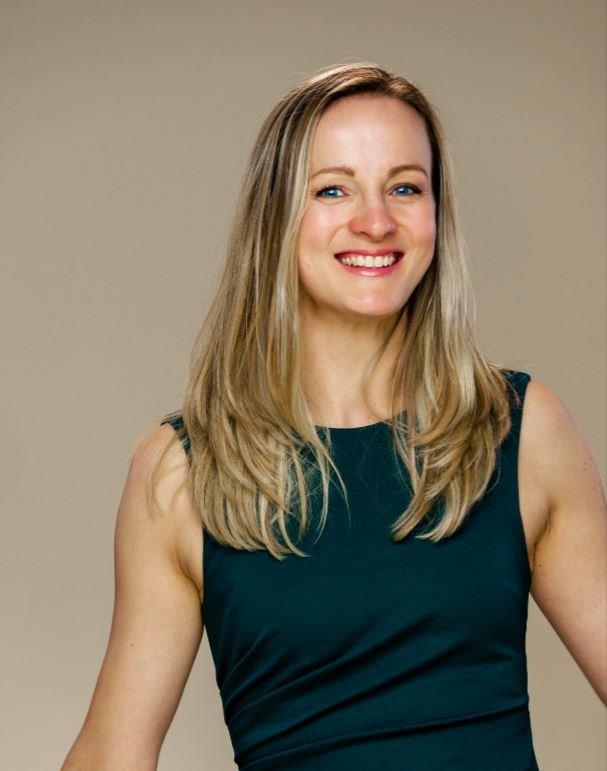 Christine Swinkels, Business Development Microfluidics, Flow Alliance
Business Development Microfluidics
Flow AllianceChristine Swinkels is a Business Developer Microfluidics at Axxicon and part of the Business Development team for the Flow Alliance. She has a background in chemical engineering and has been involved in microfluidic and diagnostic projects for the last 15 years.
 Yew Chung Tang, PhD, Director, Scientific Affairs and Partnership, MiRXES
Director, Scientific Affairs and Partnership
MiRXESYew Chung is Director of Scientific Affairs and Partnership at MiRXES, a Singapore-headquartered molecular diagnostic company that translates research discoveries to deliver world-leading multi-cancer early detection. Yew Chung received his PhD from the Singapore-MIT Alliance. Prior to joining MiRXES, he carried out research in the areas of computational biology and cancer genomics at the Duke-NUS Medical School in Singapore and was Scientific and Technology Editor of Asian Scientist Magazine.
 Kerry Trice, Molecular Diagnostics Application Specialist, MilliporeSigma
Molecular Diagnostics Application Specialist
MilliporeSigmaKerry is a Molecular Diagnostics Application Specialist. She has worked for MilliporeSigma in various roles since 2006, including R&D where she focused on Cell Line Engineering, Product Management in RNAi, and marketing for both Academic and Pharma segments. She currently provides technical expertise to molecular diagnostic companies. She holds a Bachelor’s degree in Biology from Southern Illinois University Carbondale and a Masters of Biology from Washington University in St. Louis.
 Ephraim L. Tsalik, MD, MHS, PhD, FIDSA, Vice President & CSO, Infectious Disease & Acute Care, Danaher Diagnostics
VP & CSO
Danaher DiagnosticsEphraim Tsalik is the VP and Chief Scientific Officer for Infectious Disease and Acute Care at Danaher Diagnostics. He obtained his MD and PhD from Columbia University. He then completed clinical training in Internal Medicine and Infectious Diseases at Duke University while earning a Master of Health Science in Clinical Research. Dr. Tsalik joined the Duke University faculty, rising to tenured associate professor, where his research focused on host response biomarkers for infectious disease. During his time at Danaher, Dr. Tsalik also served as the interim Chief Medical Officer at Cepheid. He remains clinically active at the Durham VA Health Care System and maintains an adjunct appointment with Duke University.
 Apostolia-Maria Tsimberidou, MD, PhD, FASCO, FAASS, Professor of Medicine, Investigational Cancer Therapeutics, University of Texas MD Anderson Cancer Center
Prof
MD Anderson Cancer CtrApostolia Tsimberidou, MD, PhD is a Tenured Professor of Medicine in the Department of Investigational Cancer Therapeutics at The University of Texas, MD Anderson Cancer Center. Dr Tsimberidou pioneered the personalized medicine program in advanced cancers. In 2007, she started the IMPACT (Initiative for Personalized Medicine and Advanced Cancer Therapy) program and demonstrated that identifying tumor molecular aberrations and selecting therapy based on tumor abnormalities of individual patients with advanced cancer is associated with higher rates of response, progression-free survival and overall survival compared with those of standard approaches. Her work has garnered extensive media coverage at the ASCO’s prestigious official Press Program in 2011 and 2018 and in The Economist, the Wall Street Journal, the Bloomberg report and the Boston Globe.
Dr. Tsimberidou has a track record of developing highly innovative clinical trials that have both changed the standard of practice of oncology and the improved the outcomes of patients with solid tumors and hematologic malignancies for >20 years. She has a substantial publication record (>275 articles; first or senior author: >115 original and 25 invited) in high-impact peer-reviewed journals including Nature Medicine, Journal of Clinical Oncology, Blood, Annals of Oncology, and Clinical Cancer Research. She has written reviews and book chapters and co-edited a major textbook entitled “Translational Oncology: Targeted Therapy in Cancerâ€. She has received various prestigious awards including a Career Development Award from ASCO and multiple independent grants. She served on several ASCO committees, and she was the Chair of ASCO’s Clinical Research Committee from 2016-2017. She is a Co-Chair of ASCO’s TAPUR tumor board, and a Member of the Board of Directors of Personalized Medicine Coalition.
Dr. Tsimberidou is committed to high-quality clinical research to accelerate the implementation of precision oncology through innovative therapeutic approaches, education, and patient care to improve clinical outcomes.
 Vanessa Tumilasci, PhD, Commercial Director, Trans-Hit Biomarkers
Commercial Director
Trans-Hit BiomarkersDr Vanessa Tumilasci is the Commercial Director of Trans-Hit Biomarkers where she Develops the company's business and marketing process, leading the business team in screening business opportunities. She is instrumental in the formation of new partnerships with pharmaceutical companies and biorepositories and plays an active role in corporate development initiatives. She brings to Trans-Hit Biomarker a dual track record of excellence in science and science customer services, reminding all the team that attention to both skills is an utmost condition to the development of a high-end scientific CRO.
Vanessa holds an MSc. degree in Biotechnology from Sao Paulo University (Brazil) and a PhD in Microbiology & Immunology from McGill University (Montreal, Canada). While training at the Lady Davis Institute/McGill University, Vanessa focused her research on the development of a cancer combination therapy using Oncolytic virus and BCL-2 inhibitors to treat leukemic cancer cells (B-CLL). Vanessa’s scientific research resulted in the publication of many peer-reviewed research manuscripts and invited review articles. Prior to joining Trans-Hit Bio, Vanessa carried out an Industrial Post-doctoral fellowship at MediMabs (Montreal, Canada) on the development of bispecific antibodies. In 2012, she joined the project management team at MediMabs and as of 2015 led the business development efforts. During her time at MediMabs, Vanessa was a key player in scientific customer service, implemented the company’s corporate development strategy, and grew to a record level the number of collaborations between MediMabs and academic partners.
 Aparna Vasanthakumar, PhD, Principal Research Scientist, AbbVie Inc.
Principal Research Scientist
AbbVie IncAparna Vasanthakumar is a Principal Research Scientist in the Genomics Research Center in AbbVie, where she directs pharmacogenomic and exploratory genomic studies in the Neuroscience, General Medicine and Virology spaces. She currently serves as the Programing Chair in the International Society to Advance Alzheimer's Research and Treatment (ISTAART) Alliance of Women Researchers (AWARE) Professional Interest Area. She was the 2019 chair of the Alzheimer’s disease neuroimaging Initiative (ADNI) private partners Scientific Board (PPSB), which manages the companies and private institutions that provide advice from the industry scientific perspective on the ADNI consortium. She also leads the ADNI DNA methylation working group, a sub-team within the ADNI Genetics core, which has as its objective the longitudinal epigenetic analysis of ADNI subjects to identify novel biomarkers of Alzheimer’s disease progression. Before joining AbbVie in 2015, Aparna was a Research Assistant Professor at The University of Chicago specializing in utilizing genetic and epigenetic methods to characterize normal cell development and disease-specific mechanisms, specifically in amyloid leukemias. She received an NIH Ruth Kirschstein post-doctoral fellowship to elucidate the role of epigenetic changes in hematopoietic stem cell function. She worked with Dr. Lucy Godley in the Department of Medicine at The University of Chicago during her post-doctoral research. Prior to that, she received her PhD in Nutritional Biochemistry and Molecular Biology at The University of Wisconsin, Madison in the laboratory of Dr. Richard Eisenstein.
 George Vasmatzis, PhD, Assistant Professor, Lab Medicine & Co-Director, Biomarker Discovery Program, Mayo Clinic & Foundation
Asst Prof Lab Medicine & Co Dir
Mayo Clinic & FoundationDr. Vasmatzis is the founding co-director of the Biomarker Discovery Program, within the Center for Individualized Medicine. He is also an Associate professor and consultant in the Department of Molecular Medicine and a member of the Mayo Clinic Cancer Center. His research program consists of bioinformatics specialists, molecular biologists, epidemiologists, and pathologists. By training and experience, Dr. Vasmatzis has a unique set of skills in engineering, computational biology, bioinformatics and genomics. He recognizes the critical importance that each team member plays to the success of a given project or that of a program as a whole. He works tirelessly to maintain a team spirit. This team has demonstrated success in discovery and translation of several biomarkers as well as developing evidence-based models that should help clinicians stratify (cancer) patients in order to provide each individual with the appropriate care. Published papers in Journal of Clinical Oncology, Cancer Research and BLOOD further demonstrate the laboratory’s discovery, validation, and translation capabilities. With the recent advances in Next Generation Sequencing (NGS) technologies his laboratory has been engaging in massive sequencing to scan the genome of cancer cells for abnormalities that can be used for clinical purposes such as diagnosis and stratification of patients for optimal treatment. He has developed MPseq, an accurate and inexpensive whole genome sequencing platform that has been used to detect structural variants. MPseq is a combination of a protocol and algorisms that can deliver a detailed description of all DNA rearrangements at a resolution that can show how individual genes are disturbed thus providing necessary novel insight for correct clinical interpretation.
 Victor E. Velculescu, PhD, Professor & Co-Director, Oncology & Cancer Biology, Johns Hopkins University
Prof & Co Dir
Johns Hopkins UnivDr. Velculescu is internationally known for his discoveries in genomics and cancer research. He and his colleagues performed the first genome-wide sequence analysis in human cancers, identifying key genes and pathways dysregulated in tumorigenesis. He developed methods for global gene expression analyses and coined the word “transcriptome" to describe the patterns that could now obtained in cancer and other cells. This research has revealed the genomic landscape of human cancers, including in breast, colorectal, brain, pancreatic, ovarian, head and neck, and lung cancers. These analyses identified a variety of genes not previously known to be involved in neoplasia, including PIK3CA as one of the most highly mutated genes in human cancer. These discoveries have led to new FDA approved therapies and diagnostic tests widely used for cancer patients. More recently, his group has developed non-invasive liquid biopsy approaches for early detection and monitoring of cancer patients. These discoveries provide new paradigms for our understanding of human cancer that have benefited patients worldwide. Dr. Velculescu currently serves as Professor of Oncology, Pathology, and Medicine, and Co-Director of Cancer Genetics and Epigenetics at the Sidney Kimmel Comprehensive Cancer Center at the Johns Hopkins University School of Medicine. He is the Associate Cancer Center Director for Precision Medicine and the Associate Director of the Johns Hopkins inHealth Program. Prior to his time at Johns Hopkins, Dr. Velculescu attended Stanford University, where he graduated with Honors and Distinction in Biological Sciences. He then obtained his M.D. and Ph.D. in Human Genetics and Molecular Biology at the Johns Hopkins University School of Medicine. Dr. Velculescu has served as a member of the Board of Directors of the American Association of Cancer Research (AACR) and as a member of scientific advisory boards of Dana Farber / Harvard Cancer Center, Cancer Research UK, Tisch Cancer Center at Mount Sinai, Ludwig Cancer Research, the Mark Foundation for Cancer Research, and the White House Cancer Moonshot. He is a founder of Personal Genome Diagnostics and Delfi Diagnostics. His work has been recognized by a variety of national and international awards and honors, including the Grand Prize Winner of the Amersham/Pharmacia & Science Young Scientist Prize (1999), Judson Daland Prize of the American Philosophical Society (2008), the European Association of Cancer Research and Carcinogenesis Young Investigator Award (2008), the AACR Award for Outstanding Achievement in Cancer Research (2009), the Paul Marks Prize for Cancer Research (2011), the EY Entrepreneur of the Year Award for Maryland (2016), and the AACR Team Science Awards for Research in Pancreatic Cancer (2013), Brain Cancer (2014), and Liquid Biopsies (2017). He has been elected to a variety of national and international associations and academies, and according to Thompson Reuters is among of the most highly cited researchers in the world.
 Vanja Vlajnic, Senior Manager, Statistics and Data Insights, Bayer Science Fellow, Bayer Pharmaceuticals
Sr. Manager, Statistics and Data Insights, Bayer Science Fellow
Bayer PharmaceuticalsMaster's in Applied Statistics, Master's in Experimental Psychology with a concentration in Behavioral Neuroscience, Ph.D. candidate in Systems Engineering
 Ping Wang, PhD, DABCC, FAACC, Professor, Pathology and Laboratory Medicine, University of Pennsylvania; Chief, Clinical Chemistry, Hospital of University of Pennsylvania
Assoc Prof & Dir Clinical Chemistry
Univ of PennsylvaniaPing Wang, PhD, D(ABCC), FAACC is Professor of Pathology and Laboratory Medicine at University of Pennsylvania, and Chief of Clinical Chemistry and Director of Core Laboratory at Hospital of University of Pennsylvania. Dr. Wang oversees the clinical operation of a 10-million tests/year core lab and 3-million tests/year point-of-care testing. Dr. Wang conducts research in Precision Medicine and novel diagnostics development, including point-of-care testing technologies and devices. She is Principle Investigator on many NIH and industry funded projects, holds many patents and publishes and speaks extensively on these topics.
 Andrea Webber, PhD, Assistant Head, Clinical Biomarkers, Biomarker Lead – MEL, HBC, OED, Translational Oncology, Merck
Assistant Head
Merck & Co IncAndrea Webber received her PhD in molecular biology from Princeton University and went on to a postdoctoral fellowship at the University of Pennsylvania School of Medicine before joining Merck & Co., Inc. Over the course of her pharmaceutical career, she has worked in biomarker discovery and development in support of both Discovery and Clinical Research. Currently, she is Assistant Head of Clinical Biomarkers in Merck’s Translational Oncology department, providing a key link between the Translational Sciences and Merck’s Clinical Development teams. The Translational Oncology Biomarkers Team supports early- and late-stage development and leverages multiple assays and platforms to inform on Keytruda mono and combination therapies. Specifically, Dr Webber leads the biomarker strategy for multiple product development teams including Melanoma, Head and Neck, and Liver cancers.
 Russell S. Weiner, PhD, Head, Oncology and Cell Therapy Clinical Biomarker Sciences and Operations, Takeda
Head Oncology and Cell Therapy
Takeda PharmaceuticalsRuss Weiner is a biopharmaceutical professional with 25+ years’ experience in drug development, personalized medicine, regulated bioanalysis, biomarkers and CDx. He is Head, Bioassays at the not-for-profit Bill & Melinda Gates Medical Research Institute. Here he applies the skills gained in pharma to develop therapeutics and vaccines for low- and middle-income countries. He focuses on TB, malaria, diarrheal diseases, neonatal and children health which result in 5 million deaths each year. Russ received his PhD in Biochemistry from Albany Medical College and lead the regulated bioassay and CDx assay organizations at BMS, Merck and Daiichi Sankyo. Prior to joining the Gates Medical Research Institute, Russ focused on the development of personized medicine approaches for treating cancer. This began with the approval of Erbitux® which was followed by the development of checkpoint inhibitors including the approval the first checkpoint inhibitors to treat cancer, Yervoy® and Keytruda® with its associated CDx assay.
 James A. Wells, PhD, Professor, Departments of Pharmaceutical Chemistry and Cellular & Molecular Pharmacology, University of California, San Francisco
Professor
University of California San FranciscoWells’s group pioneered the engineering of proteins, antibodies, and small molecules that target catalytic, allosteric, and protein-protein interaction sites; technologies including protein phage display, alanine-scanning, engineered proteases for improved hydrolysis, bioconjugations, N-terminomics, disulfide “tethering†(a novel site-directed fragment-based approach for drug discovery); and more recently an industrialized recombinant antibody production pipeline for the proteome. These led to important new insights into protease mechanisms, growth factor signaling, hot-spots in protein-protein interfaces, role of caspases in biology, and more recently to determining how cell surfaces change in health and disease. His team was integral to several protein products, including Somavert for acromegaly, Avastin for cancer, Lifitegrast for dry eye disease, and engineered proteases sold by Pfizer, Genentech, Shire and Genencor, respectively. He is an elected member of the US National Academy of Science, American Association of Arts and Science, and the National Academy of Inventors.
 Theresa L. Whiteside, PhD, Professor, Pathology, Immunology & Otolaryngology, UPMC Hillman Cancer Center, University of Pittsburgh Cancer Institute
Prof
UPMC and University of PittsburghDr. Whiteside received both her MA and PhD degrees in Microbiology from Columbia University, New York, NY. She is a Diplomate of the American Board of Medical Laboratory Immunology (1979). She was as a Fogarty Senior International Fellow at the Ludwig Institute for Cancer Research in Lausanne, Switzerland (1984-85). At the University of Pittsburgh, Dr. Whiteside rose through the faculty ranks to become Professor of Pathology with secondary appointments as Professor of Immunology and Otolaryngology (1989-present). She served as Director of the Immunologic Monitoring and Cellular Products Laboratory (IMCPL) at the UPMC Hillman Cancer Center for 25 years and is now its Interim Director. Dr Whiteside’s research has been focused on mechanisms of tumor-induced immunosuppression, cytokine networks, development of anticancer vaccines, immunobiology of human tumors and the role of natural immunity in the control of cancer progression. She studies mechanisms of tumor escape from the host immune system and the development of therapies designed to eliminate tumor escape. Most recently, she has been investigating tumor-derived exosomes (TEX) and their role in cancer-induced immune suppression. She has authored 615 peer-reviewed papers and 175 chapters and review articles. She received a Honoris causa degree in Medicine from The Poznan Medical University in Poland in 2011 and was awarded a Richard V. Smalley Memorial Award by the Society of Immunotherapy of Cancer in 2012.
 Katarina Wikstrom, Head of US Operations, Almac Group
Head of US Operations
Almac GroupDr. Katarina Wikstrom (PhD) has worked for over 14 years in the field of translational molecular oncology and holds the position of Head of US Operations at Almac Diagnostics. Katarina has overall responsibility for all US laboratory technologies and services supporting biomarker discovery, assay development and validation, and product delivery.
 Sheri Wilcox, Senior Director, Scientific Liaison and Technical Support, SomaLogic, Inc.
Senior Director
SomaLogic, Inc.Sheri K. Wilcox is Senior Director, Scientific Liaison and Technical Services, at SomaLogic, Inc. She received her B.S. in Chemistry from Vanderbilt University in 1993, Ph.D. in Macromolecular, Cellular Structure and Chemistry from The Scripps Research Institute in 1999 and completed two years of post-doctoral studies at Pharmacia and Upjohn.
 Meri Williams, CTO, Healx
CTO
HealxMeri is an experienced CTO and leader of technology organisations. She’s had a career spanning development, project, programme and product management, mostly in engineering and operations leadership. She’s led teams ranging in size from 30 to 300, in a range of organisations from Procter & Gamble, to the Government Digital Service, award-winning online print company MOO and mobile-first challenger bank Monzo, amongst others. At Healx, Meri is focused on deepening the company's investment in artificial intelligence and data, broadening the use of modern product engineering approaches to build world-class drug discovery tools, and growing the team. A published author and international speaker, she is the chair of The Lead Developer conference which now runs in many cities across the world including London, New York and Berlin. She is also a technology advisor for Kindred Capital, who practice equitable venture, making founders they invest in co-owners of the fund.
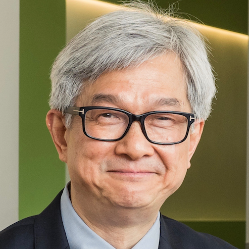 David T.W. Wong, DMD, DMSc, Associate Dean of Research, Felix & Mildred Yip Endowed Distinguished Professor, UCLA School of Dentistry
Associate Dean of Research
UCLA School of DentistryDavid T.W. Wong, DMD, DMSc is Felix & Mildred Yip Distinguished Professor, Associate Dean of Research and Director of the Oral/Head and Neck Oncology Research Center at UCLA. He is a fellow of the American Association for the Advancement of Sciences (AAAS), past member of the ADA Council of Scientific Affairs and the past president of American Association of Dental Research (AADR). He is current chair of the NCI Liquid Biopsy Consortium
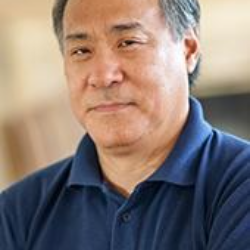 Alan H.B. Wu, PhD, Professor, Laboratory Medicine, University of California, San Francisco; Chief, Chemistry and Toxicology, San Francisco General Hospital
Prof & Chief Clinical Chemistry
San Francisco General HospitalAlan H.B. Wu is Chief of Chemistry and Toxicology at San Francisco General Hospital Professor of Lab Medicine, University of California, San Francisco. He is certified by the American Board of Clinical Chemistry in Clinical Chemistry and Toxicological Chemistry. His research interests include pharmacogenomics, clinical toxicology, cardiac biomarkers, point-of-care testing, and more recently, COVID-19 testing. Dr. Wu has over 400 publications in peer-reviewed journals. He has also written five paperback books consisting of short stories designed to promote the value of the clinical laboratory to the general public.
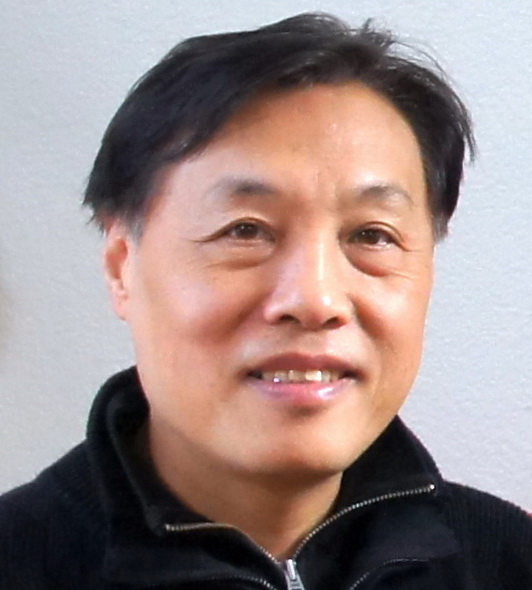 Jin Wu, VP, Innovation, Novodiax, Inc
VP
Novodiax, IncDr. Jin V. Wu is the Vice President of Innovation at Novodiax, Inc., a Bay Area biotech company focusing on developing innovative immunoassay technologies. Over the years, he has led the team in developing novel polymer enzyme detection system, rapid direct immunohistochemistry, 10-minute IHC detection for frozen sections utilized in intraoperative diagnosis, rapid on-site evaluation (ROSE) immunocytochemistry (ICC) for rapid presurgical cancer diagnosis through biopsy specimens, and the novel cancer biomarker’s based companion diagnostics (CDx). He is one of the top-level designers for Novodiax’s rapid automatic stainer Qstain-X and the inventor/designer of a rapid tissue pretreatment device, DewaxAR. Recently, the team has developed a rapid lateral flow test which enables POCT quantification of neutralizing antibodies against SARS-CoV-2. Before joining Novodiax, he studied cystic fibrosis lung disease as a scientist at Stanford University and received his Ph.D. in Neurophysiology from the School of Medicine and Dentistry at the University of Rochester.
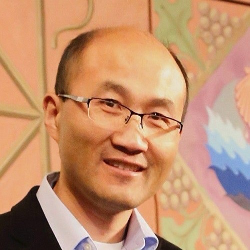 Joshua Xu, PhD, Branch Chief for Research to Review, Division of Bioinformatics & Biostatistics, FDA NCTR
Branch Chief for Research to Review
FDA NCTRDr. Joshua Xu is currently the Branch Chief for Research-to-Review (R2R) at the Division of Bioinformatics and Biostatistics of FDA's National Center for Toxicological Research (NCTR). He specializes in data mining, image analysis, and machine learning. His recent endeavor has been with the FDA-led Sequencing Quality Control Phase 2 (SEQC2) project to evaluate the technical reliabilities and scientific applications of the next generation sequencing (NGS) technologies. He is leading a SEQC2 Working Group to assess the reproducibility and detection sensitivity of onco-panel sequencing including liquid biopsy. The Working Group consists of over 200 participants from academia, government agencies, and industry including 8 companies providing onco-panels and 30 testing laboratories.
 Paul Yager, PhD, Professor, Department of Bioengineering, University of Washington
Professor
University of WashingtonPaul Yager, PhD, is a professor in the Department of Bioengineering at the University of Washington. After 7 years at the Naval Research Laboratory, he joined the University of Washington in 1987, and served as department chair from 2007 to 2013. Initially working on self-organizing lipid microstructure and optically-based biomedical sensors, since 1992 his lab has explored the fundamentals of microfluidics, and applications thereof in analysis of biological fluids for point-of-care medical diagnostics in the developed and developing worlds. Since 2005, Yager has worked toward rapid low-cost sensitive pathogen identification with support from the Bill & Melinda Gates Foundation, NIH, NSF, DARPA and DTRA. Today, his lab focuses on developing two-dimensional porous (paper) networks for ultra-low-cost point-of-care pathogen identification, including home NAAT tests for HIV virus, SARS-CoV-2, and other respiratory pathogens. Yager is a Fellow of AIMBE, the Washington State Academy of Sciences, and NAI. Specifics are at http://faculty.washington.edu/yagerp/. He is also a co-founder and CSO of UbiDX, a startup in home diagnostics and healthcare.
 James Yen, Principal Scientist, Associate Scientific Director, CDx Programs, Pharma Services, NeoGenomics Laboratories
Principal Scientist, Associate Scientific Director, CDx Programs
NeoGenomics LaboratoriesDr. James Yen completed his doctorate at UC Irvine studying protein degradation. Afterwards at Zymo Research he led the development of research reagents for epigenetics. He then joined MDxHealth to setup their CLIA/CAP US lab operations working in clinical operations and product development. In 2014, James joined Clarient to manage the molecular and FISH operation teams. His current role at NeoGenomics focuses on molecular, FISH and companion diagnostic offerings.
 Elsie Yu, PhD, Director, Clinical Pathology Informatics, System and Core Laboratory Director, Chemistry, Toxicology and Point-of-Care Testing, Geisinger Laboratory Medicine; Associate Professor, Geisinger Commonwealth School of Medicine
System and Core Laboratory Director
Geisinger Health SystemDr. Elsie Yu is a Medical Laboratory Director at Geisinger Health System with a system leadership role in Clinical Chemistry, Immunology, Toxicology and Point-of-Care Testing. She is also a Clinical Associate Professor at Geisinger Commonwealth School of Medicine. In 2016, she was named “40 Under Forty Top Five†by American Society of Clinical Pathology. Outside of Geisinger, she has participated at various special project committees (e.g. CLSI, NKF and AACC committees) to promote proper laboratory utilization.
Since she joined Geisinger in 2010, Geisinger has grown from a two- to nine-hospital system with over 80 clinics. During this rapid growth, she has integrated different hospitals and clinics to the Geisinger Health System through consolidation and standardization to enhance testing services. Her main interest is to improve laboratory test utilization and operational efficiency. Much of her work requires extensive collaboration with clinical providers to achieve system standardization and clinical effectiveness. Two such examples include her effort to
- curb the opioid epidemic with enhanced urine drug testing program and decision support
- improve ED throughput and transform cardiac care by implementing high sensitive troponin
She earned her PhD in Cellular and Molecular Biology at University of Wisconsin – Madison, completed her clinical fellowship at Boston’s Children Hospital. She is board-certified by the American Board of Clinical Chemistry.
 David A. Zarling, Dyadic Global Group
Dyadic Global Group